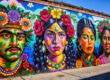
California is a vibrant hub of cultural diversity, deeply influenced by its Indigenous roots and Chicano community. Today, a powerful movement is taking shape as Chicano youth work to reclaim Indigenous languages like Nahuatl and Mixtec. These efforts transcend mere linguistics—they reweave connection, pride, and resistance into the fabric of everyday life. Rooted in history and fueled by activism, this revival reflects a broader fight for cultural preservation and identity.
The Power of Language to Reconnect and Resist
Language is more than communication; it is identity, memory, and history. For many Chicano youth, rediscovering Indigenous tongues is an act of resistance against centuries of colonial erasure. California’s youth are reshaping their understanding of heritage, reclaiming what was often stolen or suppressed. Learning Nahuatl or Mixtec is a way to honor their ancestors and challenge systemic forces that discourage cultural retention. This movement bridges the past and present, forging a path forward that centers pride in one’s origin.
Community Efforts Leading the Revival
Grassroots organizations and community-led programs in California are at the forefront of the Chicano language revival. Groups like Academia Semillas del Pueblo and the Mexica Movement are providing educational resources, language classes, and cultural workshops. These efforts empower Latino youth to engage with Indigenous lexicons while exploring their broader cultural narratives.
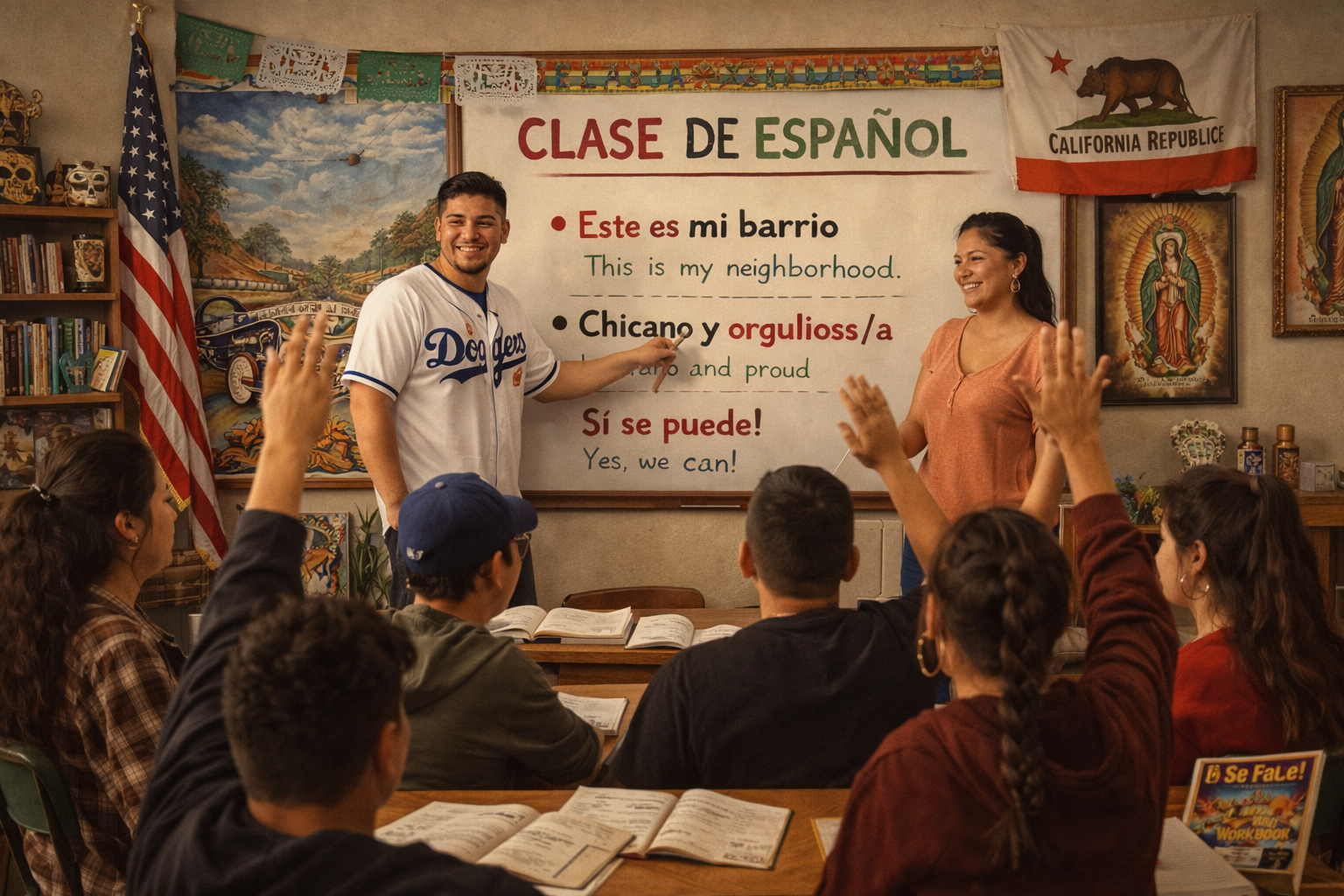
Educational institutions, too, are playing a fundamental role. High schools, colleges, and universities in urban and rural areas have introduced Nahuatl and Mixtec into their curriculum. Programs led by passionate educators teach more than just words—they foster a sense of belonging. Additionally, gatherings like language immersion camps and cultural festivals create safe spaces where young people connect and share their learning journeys.
Digital tools also enhance accessibility. Social media platforms, apps, and websites provide free or affordable ways for young people to practice their language skills. Instagram pages like @NahuatlStudies and YouTube channels featuring Indigenous speakers make learning interactive, breaking down barriers for those eager to reconnect with their roots.
Language, Identity, and Cultural Pride
One of the most profound aspects of this revival is its impact on self-identity. Many Chicano youth who felt disconnected from their heritage find strength and clarity through reclaiming their ancestors’ words. Language enables them to see themselves as part of a lineage that extends far beyond borders, revealing the interconnectedness of modern struggles for equity and ancient cultural pride.
For families, this revival represents the healing of intergenerational wounds. Parents and elders often see their children learning Indigenous languages as a bridge to the knowledge and traditions they could not always pass down. This process creates unity and addresses historical gaps in familial narratives. By reconnecting across generations, young people are not only honoring their lineage but actively revitalizing it in ways that will echo for decades to come.
Challenges to Preserving Indigenous Tongues
Despite the incredible progress, there are challenges in sustaining language revival efforts. The systemic marginalization of Indigenous communities has created obstacles, such as limited resources and funding for grassroots initiatives. Additionally, the prevalence of English and Spanish in everyday life often overshadows smaller language communities.
Another issue lies in accessibility. Not everyone has the means to attend classes, purchase resources, or dedicate time to language learning, particularly in low-income areas. Urbanization and migration patterns further complicate efforts, as communities continue to grow and shift.
Still, these challenges serve not as deterrents but as fuel for the movement. More and more initiatives are collaborating with local governments, schools, and nonprofits to increase access and awareness. Sharing success stories keeps the momentum alive and motivates others to join.
Opportunities and New Horizons
Looking ahead, the Chicano language revival has an opportunity to build even stronger networks of solidarity. By blending traditional practices with modern technology, today’s efforts could pave the way for more widespread and inclusive language education. Incorporating Indigenous languages into public-school systems and dedicating more state and federal funding for cultural preservation could further amplify these movements.
Social media activism, cultural storytelling, and partnerships between academic and community organizations expand the revival’s reach. Over time, larger portions of the population may come to appreciate the unique richness of Indigenous tongues, not just as remnants of the past, but as thriving expressions of identity and resilience.
Keep Our Culture Alive
Chicano culture thrives when we share, explore, and celebrate it together. Whether through art, language, history, or everyday experiences, we each play a part in preserving our heritage. Join the movement—learn about our stories, uplift our voices, and pass on the traditions that shape who we are. Together, let’s keep Chicano identity strong for future generations.