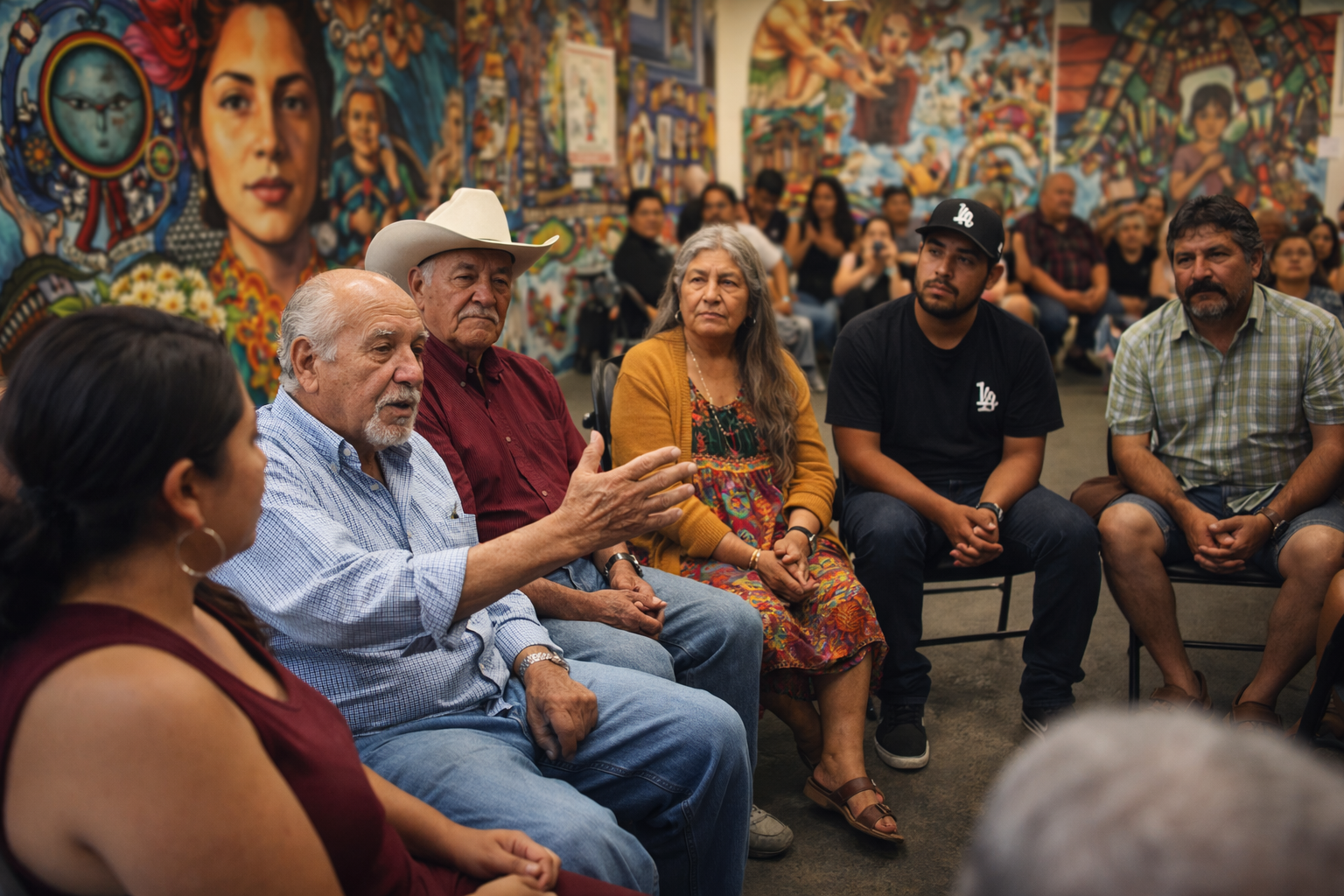
Storytelling has been a vital part of Chicano and Latino culture for centuries. It is more than mere entertainment; it is a bridge that connects us to our ancestors, preserves our history, and builds momentum for social change. Stories empower communities by instilling pride, fostering understanding, and inspiring action. Today, storytelling remains at the heart of the Chicano and Latino movements, offering a powerful tool for education, healing, and advocacy.
Preserving Culture Through Stories
For Chicano and Latino communities, oral traditions and storytelling have long been used to pass down history, values, and traditions. From corridos (folk ballads) that recount significant events to family tales shared around the dinner table, stories keep our cultural identity alive. Artists like Luis Valdez and his theater company, El Teatro Campesino, have used storytelling to preserve and celebrate Chicano culture. By reflecting the struggles and triumphs of farmworkers through performance, Valdez demonstrates how stories can teach younger generations about their heritage while highlighting our community’s resilience.
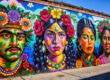
Stories also serve as cultural reminders, helping us honor our roots. Traditional narratives enable us to connect with indigenous and mestizo histories, fostering pride in our shared ancestry. Today, movements such as Dia de los Muertos celebrations and murals depicting iconic figures like Cesar Chavez remind us of our rich cultural tapestry. Through these expressions of storytelling, Chicano culture continues to thrive despite decades of systemic oppression and erasure.
A Tool for Education and Understanding
Stories are invaluable in fostering awareness and challenging stereotypes about Chicano and Latino communities. Activists and educators have used storytelling to bring marginalized histories into educational spaces. For example, Ethnic Studies programs in California often integrate first-hand testimonies and oral histories into their curriculum, allowing students to engage with the lived experiences of their communities.
By sharing stories of struggle and achievement, educators open the door for young people to better understand the sociopolitical factors that shape their lives. Students learn about movements like the Chicano Walkouts of the 1960s, where courageous students demanded better education and representation. These stories remind us of our power as a collective and show the importance of standing up for our rights.
Healing Through Collective Narratives
Community storytelling also plays a significant role in healing. Sharing stories creates an opportunity to process intergenerational trauma while fostering a sense of belonging. Stories of migration, resilience, and identity carve out space for individual and collective healing.
Cultural projects like “Voces of a Pandemic,” which collects oral histories from Latino communities affected by COVID-19, give voice to the struggles and strengths of individuals within the community. Through storytelling, we acknowledge and validate experiences, promoting mental and emotional well-being.
Healing is also present in art forms like poetry and spoken word. Writers such as Pat Mora and Gloria Anzaldúa use their works to address displacement, identity, and empowerment. These literary pieces invite readers to confront painful social issues while finding hope and solidarity.
Advocacy and Movement-Building
Storytelling is essential to advocacy and organizing in Chicano and Latino movements. By sharing personal narratives, individuals highlight social injustices and inspire others to take collective action. For example, the stories of farmworkers played a pivotal role in rallying support for the United Farm Workers (UFW) movement. Leaders like Dolores Huerta and Cesar Chavez leveraged these narratives to shine a light on exploitative labor practices, galvanizing change at the local and national levels.
Social media has extended the reach of storytelling in advocacy. Platforms like Instagram and TikTok amplify voices from the community and provide space for modern-day activism. Movements like #WeAreMigrant underscore how sharing personal experiences related to immigration and systemic inequalities can inspire solidarity across borders. When stories are shared widely, they encourage empathy and mobilize individuals toward social justice, creating a ripple effect that strengthens the movement.
Uplifting the Next Generation
To keep Chicano and Latino movements alive, it is critical to pass stories to younger generations. These narratives provide a roadmap for navigating unique challenges while celebrating cultural identity. Events like “Latino Book Fairs” and youth workshops focused on storytelling inspire future leaders and empower them to take pride in their heritage.
Young people are also creating their own spaces for storytelling. Spoken word events, zines, and social platforms have enabled youth to highlight stories of identity, belonging, and resistance. By sharing their perspectives in new and creative ways, they strengthen connections across generations and help continue the cycle of cultural preservation and activism.
Keep Our Culture Alive
Chicano culture thrives when we share, explore, and celebrate it together. Whether through art, language, history, or everyday experiences, we each play a part in preserving our heritage. Join the movement—learn about our stories, uplift our voices, and pass on the traditions that shape who we are. Together, let’s keep Chicano identity strong for future generations.