Chicano cultural centers are beacons of hope and resilience for youth navigating the complexities of identity, history, and modern challenges. These spaces, deeply rooted in cultural pride and community, play a crucial role in offering sanctuary, fostering growth, and empowering the next generation. For Chicano youth in California, cultural centers serve as vital hubs where heritage meets opportunity, transforming lives and shaping futures in meaningful ways.
A Space for Physical and Emotional Safety
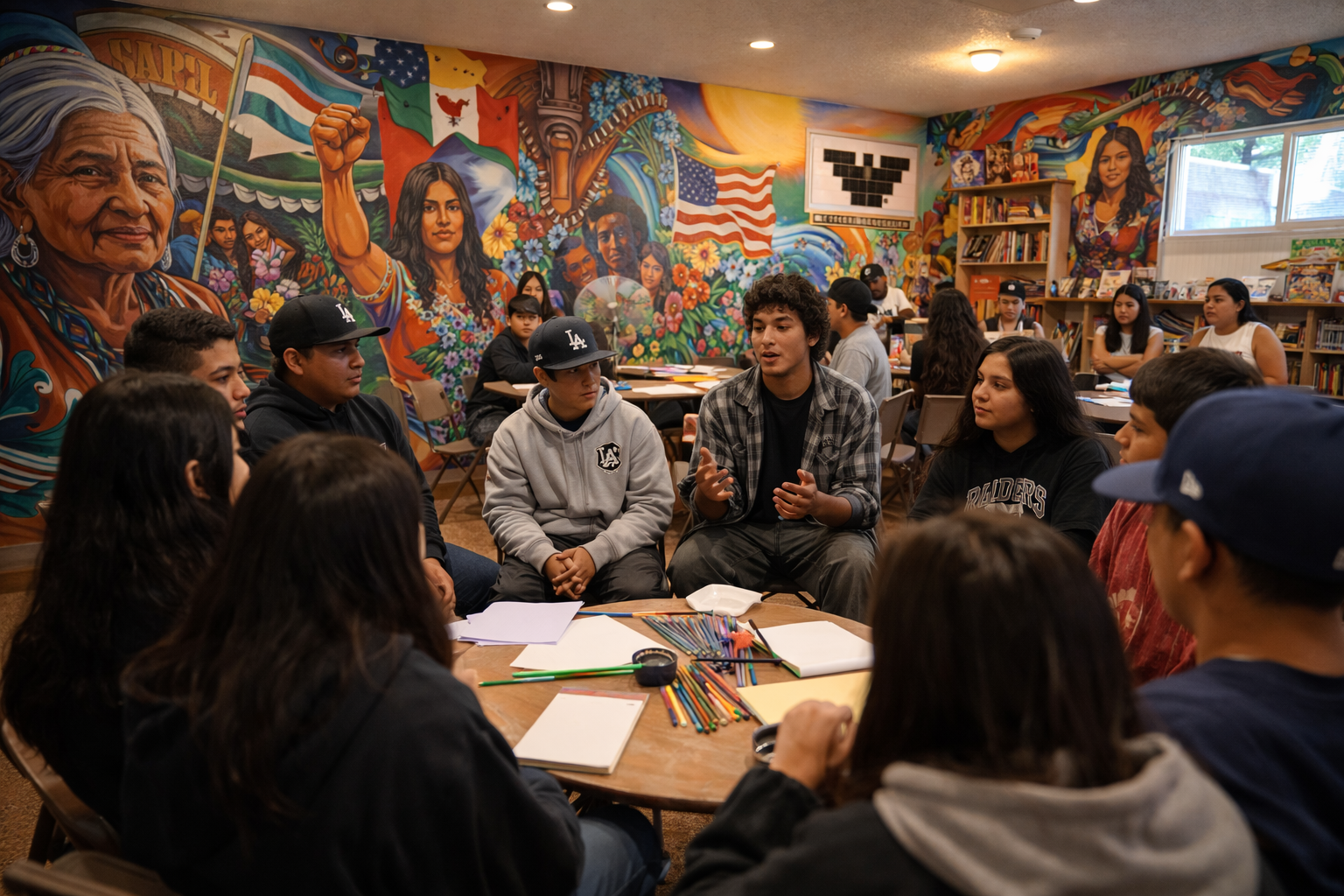
Cultural centers act as safe havens for Chicano youth, providing refuge from the often harmful pressures of society. For many, systemic inequities, racial discrimination, and economic hardships create environments that feel isolating or even hostile. Within these centers, however, young people find acceptance and understanding. The spaces are designed with care, enabling youth to express themselves without judgment or fear of marginalization. Whether through after-school programs, workshops, or simply a welcoming environment, cultural centers prioritize the overall well-being of their attendees.
Furthermore, these spaces encourage open dialogue about mental health—a topic often stigmatized in many communities. By offering counseling resources, peer support groups, and culturally sensitive staff, they create an ecosystem where emotional health is nurtured. For Chicano youth, knowing there’s a place where they can feel seen and heard makes a world of difference in their confidence and self-esteem.
Strengthening Identity and Cultural Pride
Chicano cultural centers play an essential role in fostering pride in one’s heritage. Through art, history, music, and language, they connect youth with the richness of their ancestry. This connection is empowering. It teaches young people to see their identity not as a hindrance but as a source of strength.
Programs often include traditional dance classes, mural painting, or storytelling sessions where elders share tales of resilience and perseverance. These experiences bridge historical narratives with present-day struggles, reminding youth that their culture is a legacy of resistance and artistry. Such activities give young people a sense of belonging, reinforcing that their identity is worth celebrating.
A robust connection to one’s cultural roots also combats feelings of assimilation pressure or erasure, especially in a state as multicultural as California. When youth feel their history and traditions are validated, it equips them with the confidence to stand strong in their identity, even in the face of external challenges.
Mentorship, Leadership, and Creative Opportunities
One of the most impactful aspects of cultural centers is their ability to nurture mentorship and leadership among Chicano youth. These centers serve as platforms where experienced community leaders, artists, educators, and organizers can guide the younger generation. Through mentorship programs, youth have access to role models who understand their struggles and who actively inspire hope.
Leadership opportunities within these centers teach young people to take initiative. Whether organizing cultural events, leading youth groups, or volunteering in community outreach, they develop skills that prepare them for broader civic engagement. These experiences also strengthen interpersonal confidence, teaching them the power of their voice and their potential to enact change.
Additionally, cultural centers are hubs of creativity. They provide resources for music production, creative writing, film, theater, and other artistic outlets. For many Chicano youth, art becomes a language through which they challenge stereotypes, tell their stories, and advocate for social justice. These creative opportunities ensure the younger generation is not only preserving culture but innovating it for the future.
Alternatives to Harmful or Isolating Environments
For some Chicano youth, cultural centers serve as protective barriers against harmful influences or isolating conditions. Systemic challenges such as educational disparities or unsafe neighborhoods can push young individuals toward risky paths. Cultural centers offer a meaningful alternative.
Instead of experiencing alienation, a youth attending a community space is likely to encounter a welcoming, enriching environment. Programs often include tutoring, college prep, and career counseling, helping them work toward brighter futures. By fostering connection and purpose, cultural centers reduce the likelihood of harmful behaviors while promoting healthier, constructive pathways for navigating life.
These safe spaces also serve as antidotes to societal isolation. Many Chicano youth face unique challenges that their peers outside their community may not fully understand. Within cultural centers, they meet like-minded individuals who share similar experiences. This peer support network becomes a pillar of their development, reminding them they are never alone in their struggles or aspirations.
Long-Term Impacts on Youth Confidence, Education, and Civic Engagement
The effects of cultural centers extend far beyond immediate enrichment. For Chicano youth, the confidence gained through these spaces influences their broader life trajectory. They grow up with a strong sense of self, bolstered by pride in their heritage and trust in their abilities. This self-assurance often translates to higher educational achievement as they pursue academic and career paths with determination.
Cultural centers also lay the foundation for active civic engagement. Youth exposed to leadership opportunities and community organizing understand the power of collective action. They become advocates for social justice, contributing to movements that aim to dismantle inequities and uplift underrepresented voices. By investing in the growth of their communities, they strengthen not only themselves but the future of their culture as well.
Keep Our Culture Alive
Chicano culture thrives when we share, explore, and celebrate it together. Whether through art, language, history, or everyday experiences, we each play a part in preserving our heritage. Join the movement—learn about our stories, uplift our voices, and pass on the traditions that shape who we are. Together, let’s keep Chicano identity strong for future generations.