Art is more than just an expression; it’s a powerful tool that shapes identity, builds resilience, and fosters connections. For Chicano and Latino communities in California, art and cultural education play a vital role in preserving heritage while empowering youth and adults to thrive academically, emotionally, and socially. This article dives into how access to art, music, literature, and cultural education helps strengthen Chicano identity while supporting social justice efforts and fostering community pride.
How Art Education Strengthens Identity and Heritage
Access to culturally relevant art programs allows Chicano and Latino individuals to reconnect with their roots. By learning about traditional art forms, muralism, Chicano literature, or dance styles like folklórico, participants uncover the rich history and diverse stories of their ancestors. This deep connection fosters a strong sense of cultural pride and belonging, especially in younger generations who may feel disconnected in a society that often marginalizes their heritage.
Programs that teach about iconic Chicano artists, such as Diego Rivera and Judy Baca, spotlight the resilience and creativity of the community. These teachings build confidence, inspire self-expression, and encourage participants to carry their cultural legacy forward. With a strengthened identity, youth gain an invaluable sense of purpose and pride, fueling their drive to succeed in other areas of life.
Academic Success Through Creative Expression
The benefits of art education extend well beyond cultural understanding. Studies consistently show that engaging in art, music, and other forms of creative expression enhances focus, problem-solving skills, and academic performance. For Chicano and Latino students, art programs create meaningful learning experiences that resonate with their own cultural narratives. This engagement leads to deeper participation in school and a stronger motivation to achieve.
For instance, culturally rooted programs like Teatro Campesino—an influential theater company rooted in Chicano struggles—help students learn history in an immersive and creative way. These initiatives don’t just teach academic concepts; they teach life lessons of perseverance, sacrifice, and community. Art becomes a bridge, connecting students’ personal experiences to education in a way that’s both inspiring and empowering.
Emotional Well-Being and Connection
Culturally relevant art programs also support emotional well-being and mental health by providing a safe space for self-expression. For many Chicano and Latino youth facing systemic racism, economic inequality, or immigration-related challenges, creating art can be a therapeutic outlet. Through drawing, painting, or storytelling, participants channel their emotions into tangible works, releasing stress and building confidence in the process.
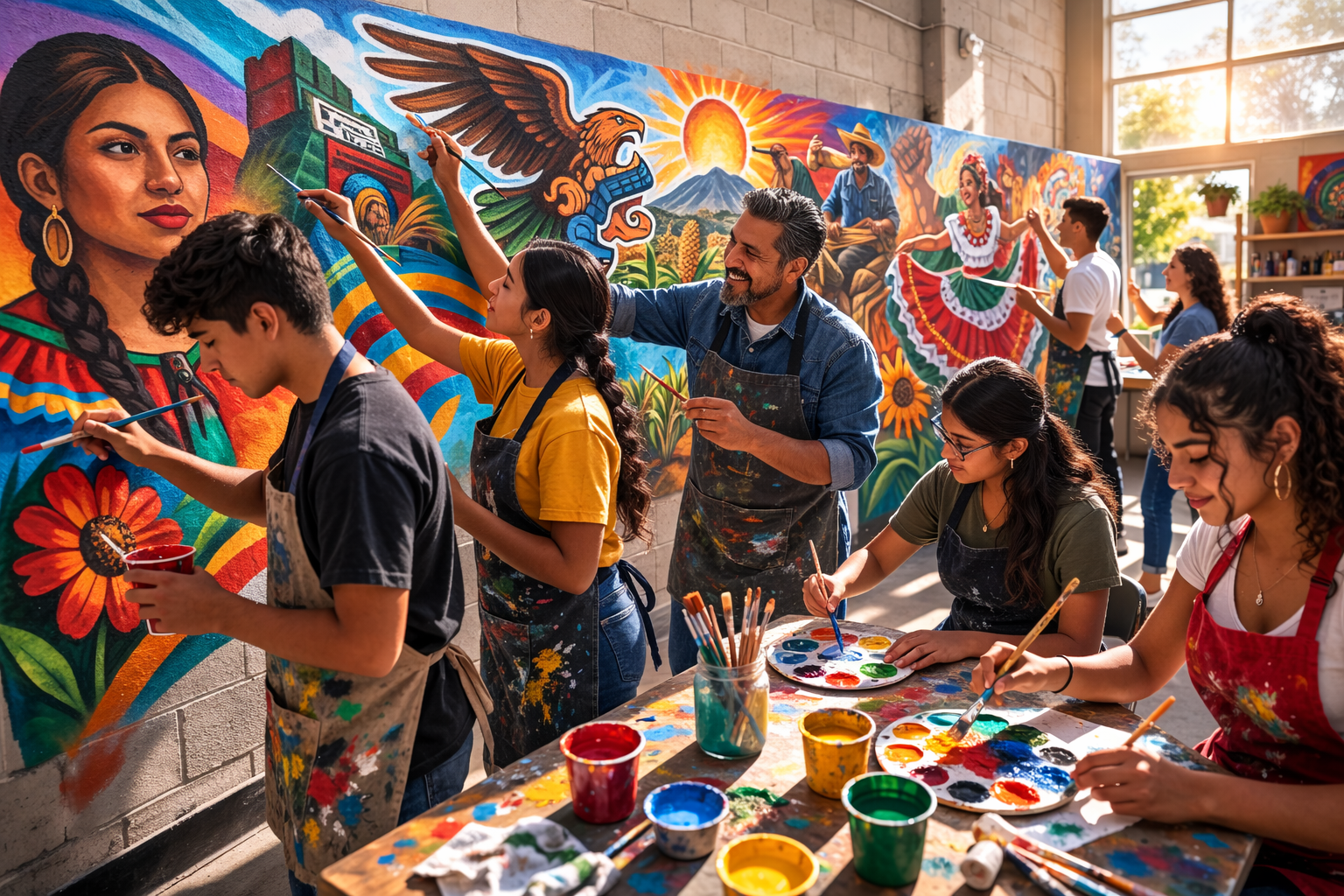
Importantly, these programs encourage intergenerational collaboration. Elder artists pass down traditions to younger creators, fostering a sense of unity and purpose. These connections don’t just preserve culture—they strengthen the bonds between generations, allowing stories, wisdom, and skills to flourish.
Fostering Social Justice Awareness and Civic Engagement
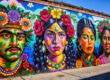
Art is inherently political, and in Chicano culture, it has long been a medium for resistance and activism. From the powerful murals of East Los Angeles to protest-inspired music, creative expression gives the community a voice in the fight for equity and inclusion.
Art education programs centered on social justice allow Chicano and Latino youth to explore the intersections of oppression, identity, and activism. For example, workshops on creating posters or murals for community actions teach young activists to advocate for change visually. At the same time, they foster systemic awareness and civic engagement, equipping participants with tools to stand up for their rights.
By tying art education to social justice initiatives, students see firsthand how creative expression influences societal change. They’re encouraged to dream, speak up, and collaborate to address the unique challenges their communities face.
The Role of Community Organizations and Grassroots Initiatives
The pillars of cultural preservation are grassroots organizations, schools, and community programs dedicated to uplifting Chicano and Latino heritage. These institutions lead the way in developing accessible art education programs that serve diverse community needs. For example, institutions like Self Help Graphics & Art in Los Angeles provide vital platforms for local artists, while programs like Las Fotos Project use photography to empower young women as storytellers of their communities.
Schools offering bilingual programs and culturally integrated curriculums also play a crucial role. Culturally inclusive lesson plans reflect students’ histories and values, fostering a sense of representation that traditional education systems might lack. Similarly, grassroots efforts provide affordability and access to communities that might otherwise lack art education opportunities.
Each of these efforts works toward one goal—empowering the Chicano and Latino communities to reclaim and celebrate their identities through art, while creating a legacy for future generations to treasure.
Keep Our Culture Alive
Chicano culture thrives when we share, explore, and celebrate it together. Whether through art, language, history, or everyday experiences, we each play a part in preserving our heritage. Join the movement—learn about our stories, uplift our voices, and pass on the traditions that shape who we are. Together, let’s keep Chicano identity strong for future generations.