The vibrant and resilient history of Chicano communities in California is a story of cultural richness, resistance, and empowerment. Yet, despite their profound contributions to the social fabric of Southern California, these narratives are often overlooked in traditional educational systems. Local Chicano stories, brimming with art, activism, and resilience, offer powerful lessons for today’s youth and adults seeking to reconnect with their roots or engage with social justice issues. Preserving these histories is essential, not just for current generations but also for those to come.
Rediscovering Local Chicano History in California
Southern California has long been a hub of Chicano culture—its streets alive with vibrant murals, bustling community centers, and the echoes of social movements that demanded equity and recognition. Yet, mainstream history books often skim over these contributions or omit them entirely. “Chicano local history California” is deeply tied to themes of activism, identity, and resilience. Highlighting these stories ensures that the sacrifices and achievements of past generations are not forgotten.
One vivid example is the Chicano Moratorium of 1970, a pivotal anti-war protest born from East Los Angeles. This grassroots movement was much more than opposition to the Vietnam War; it was an assertion of Chicano identity and a demand for justice for disproportionately affected Latino communities. Stories like these deserve the same level of recognition as the broader civil rights movement—they are a testament to the power and resilience of Chicano communities.
The Role of Intergenerational Storytelling
Intergenerational storytelling remains one of the most powerful tools for preserving history. When elders share their experiences with younger generations, they bridge cultural gaps and ignite a deeper appreciation for the struggles and accomplishments of those who came before them. These oral histories allow communities to reclaim their narratives from the margins.
For youth in Southern California, hearing first-hand accounts of the farmworker struggles led by leaders like Dolores Huerta or Cesar Chavez connects them to a legacy of resistance and empowerment. It fosters a sense of pride and belonging. Storytelling also ensures that traditions, language, and cultural practices are not lost over time. It’s through these intimate exchanges that everyday heroes and their stories come to life.
Filling Educational Gaps
Despite the rich cultural history of Chicano communities, traditional school curriculums often fail to adequately represent their contributions. This creates significant educational gaps, leaving many Latino youths unaware of their roots. A robust approach to “Latino historical preservation” requires incorporating these narratives into local educational programs.
Efforts to include ethnic studies in California’s curriculum offer hope, but we need more community voices in this process. Programs and initiatives that teach students about Chicano contributions to art, labor rights, and social justice should be amplified. When students see themselves reflected in the history they study, it fosters a deeper connection to their education and their communities.
Grassroots Archives and Community Preservation
Grassroots archives are another vital component of preserving Chicano history. These collections, often maintained by community members, ensure that photographs, documents, and oral histories are protected for future generations. Unlike official archives, grassroots efforts prioritize personal and local narratives that traditional systems might deem insignificant.
For example, organizations such as the Boyle Heights Historical Society and the Chicano Studies Research Center at UCLA work tirelessly to document and preserve the stories of Southern California’s Latino communities. These archives capture snapshots of everyday life, from activism to family celebrations, painting a fuller picture of Chicano life through the decades.
Cultural Empowerment Through Art and Storytelling
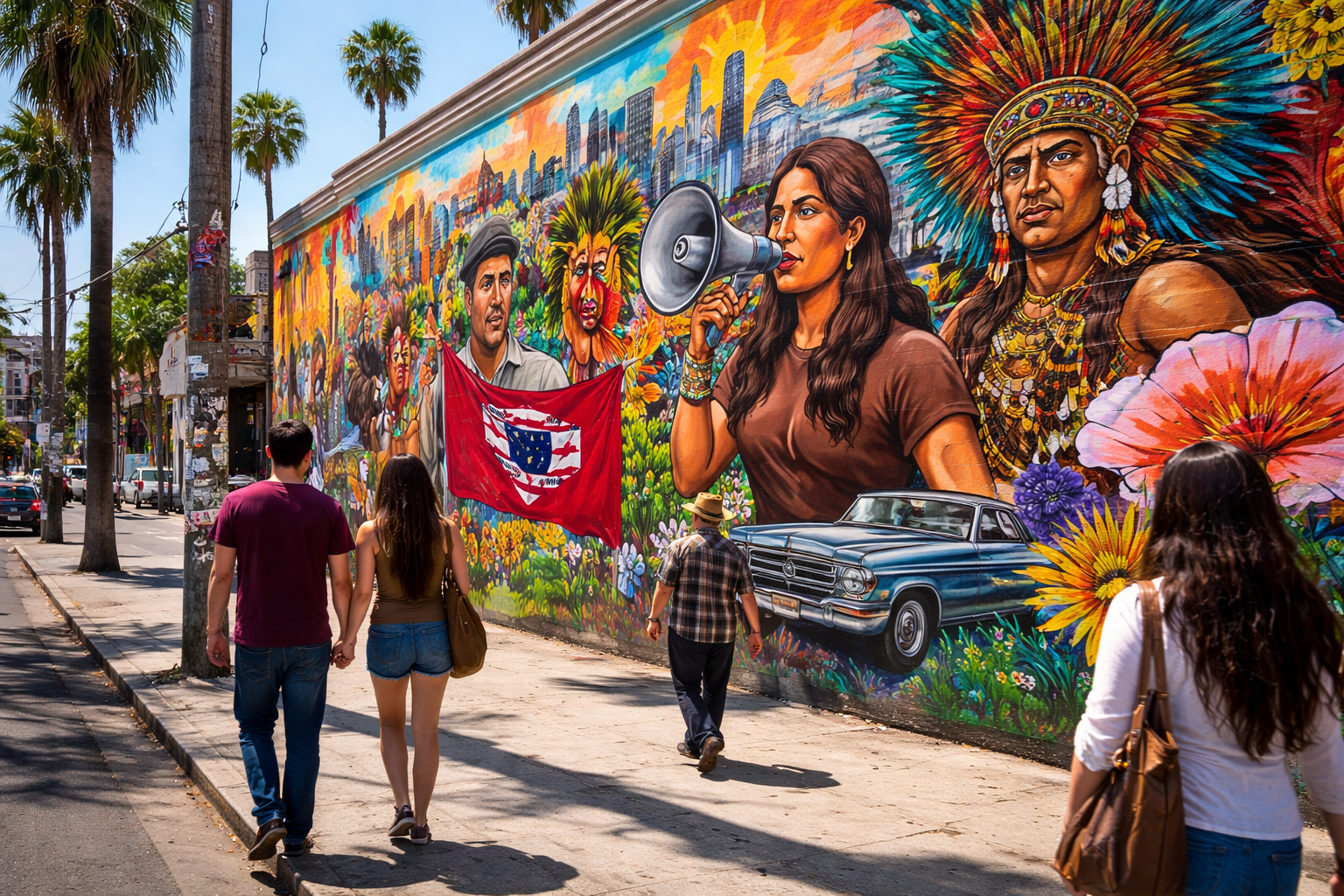
Murals, music, and literature are integral to Chicano storytelling, serving as vibrant mediums for expressing identity, struggles, and triumphs. Southern California’s iconic murals, like those in East Los Angeles and Chicano Park in San Diego, are visual testaments to the resilience and pride of the community.
Art not only tells stories; it also empowers the community to reclaim public spaces and assert their presence. Similarly, literature by Chicano writers such as Luis Rodriguez and Sandra Cisneros brings marginalized stories to the forefront, allowing readers to fully grasp both the challenges and beauty of Chicano life.
By encouraging youth to participate in these creative outlets, we inspire a new generation of storytellers who can carry the torch forward.
Keep Our Culture Alive
Chicano culture thrives when we share, explore, and celebrate it together. Whether through art, language, history, or everyday experiences, we each play a part in preserving our heritage. Join the movement—learn about our stories, uplift our voices, and pass on the traditions that shape who we are. Together, let’s keep Chicano identity strong for future generations.