In Chicano families, the connection between generations is a powerful source of resilience, cultural preservation, and identity formation. Intergenerational dialogue—conversations between elders and youth—plays a vital role in bridging past traditions with the realities of modern life. These conversations not only deepen familial bonds but also ensure that the vibrant essence of Chicano family traditions continues to flourish for generations to come.
The Power of Oral History
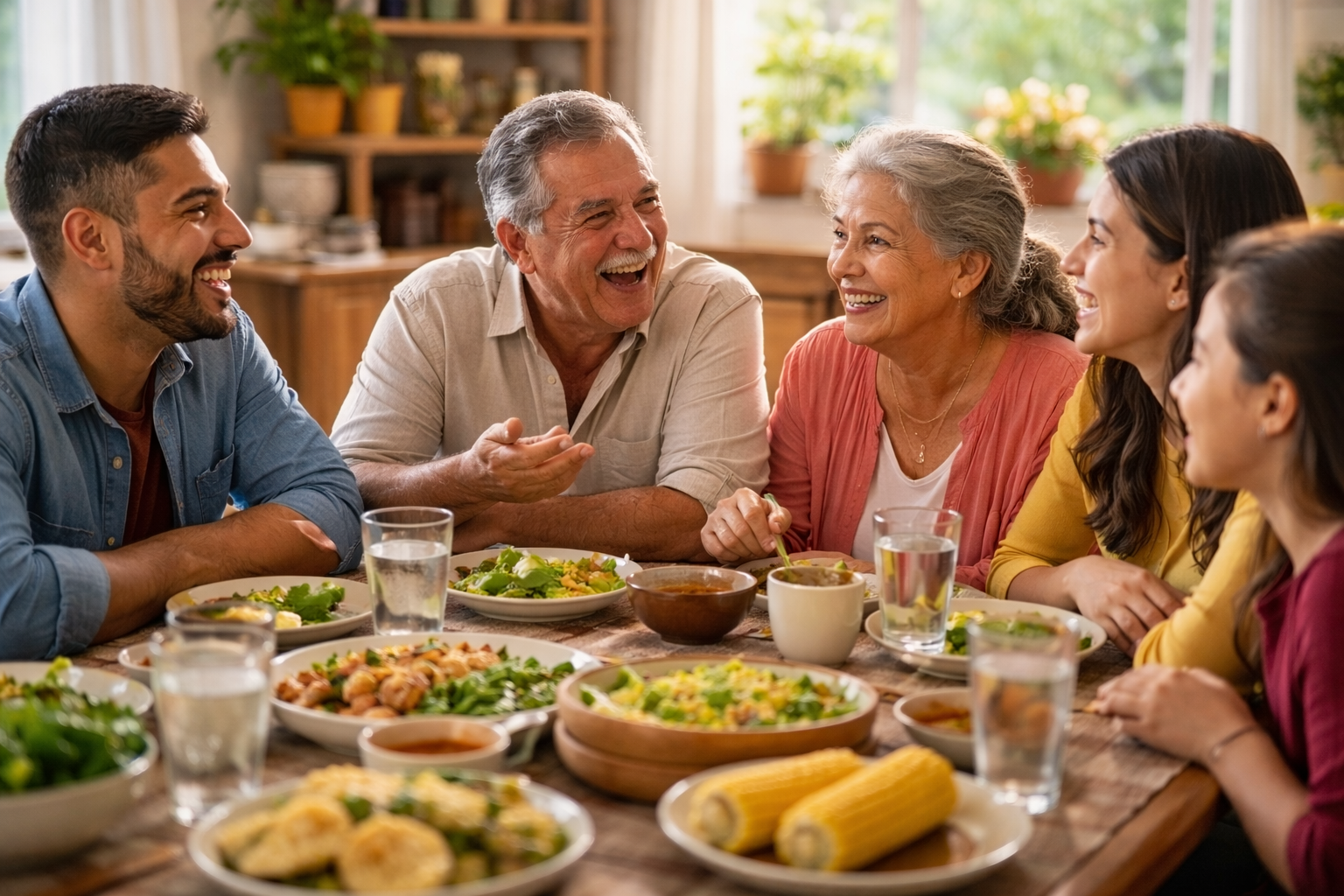
Storytelling is at the heart of Chicano culture. For centuries, elders have passed down wisdom, family histories, and cultural knowledge through oral history. These stories, often shared around dinner tables or at family gatherings, serve as a living archive of resilience, struggle, and triumph. They remind us of the sacrifices made by those who came before us and inspire younger generations to honor that legacy.
Listening to these stories provides youth with a rich understanding of their roots, fostering pride and a sense of belonging. At the same time, elders find purpose and connection when they share their experiences, creating a two-way exchange of growth and learning. This practice strengthens relationships and ensures that the lessons of the past are not lost in the fast-paced environment of today’s world.
Cultural Preservation Through Shared Experiences
Intergenerational dialogue also plays a central role in safeguarding intergenerational Latino culture. Celebrating traditions like Día de los Muertos, participating in folklórico dances, or cooking cherished family recipes offers opportunities for elders to teach while youth actively engage and learn. These shared experiences instill cultural values while fostering joy and unity within families.
By actively participating in these traditions, younger generations develop a deeper appreciation for their culture. Meanwhile, elders can witness the continuity of their heritage, even as younger family members adapt these traditions to modern contexts. This dynamic exchange helps Chicano families thrive in a multicultural society while staying rooted in their shared identity.
How Identity Formation is Shaped
For many young Chicanos in California, navigating a bicultural identity is a complex process. Older generations provide invaluable guidance through these struggles. They often draw on their own experiences of overcoming discrimination, adapting to societal changes, and finding strength in their cultural identity.
Through family conversations, youth learn how to celebrate their Chicano identity unapologetically. These talks encourage them to explore the richness of their roots, empowering them to understand who they are and take pride in their place in the community. This connection to identity not only builds individual confidence but also strengthens the larger Chicano community as a whole.
Adapting Traditions to Modern Challenges
Maintaining cultural practices in the modern era requires flexibility and innovation. Intergenerational dialogue facilitates this adaptation by blending the wisdom of the past with the creativity of the present. For example, younger family members might digitize old photos or create podcasts to document family history, while elders guide them with narratives and context.
Modern technology serves as a bridge, helping younger generations preserve traditions in new formats while adapting them to today’s world. By working together, families can ensure the cultural relevance of their traditions and values without losing their historical essence.
Building Resilience and Empowerment
Chicano families are strengthened by the resilience passed down through generations. Intergenerational dialogue reminds us that the struggles faced by earlier generations paved the way for the opportunities enjoyed today. These conversations foster gratitude, humility, and an empowered perspective on facing life’s challenges.
Furthermore, the collective strength developed through these dialogues enhances community resilience. When individuals feel connected to their family and cultural identity, they are better equipped to advocate for social justice and empower others in their community. This shared empowerment reinforces the movement for equity and cultural preservation.
Keep Our Culture Alive
Chicano culture thrives when we share, explore, and celebrate it together. Whether through art, language, history, or everyday experiences, we each play a part in preserving our heritage. Join the movement—learn about our stories, uplift our voices, and pass on the traditions that shape who we are. Together, let’s keep Chicano identity strong for future generations.