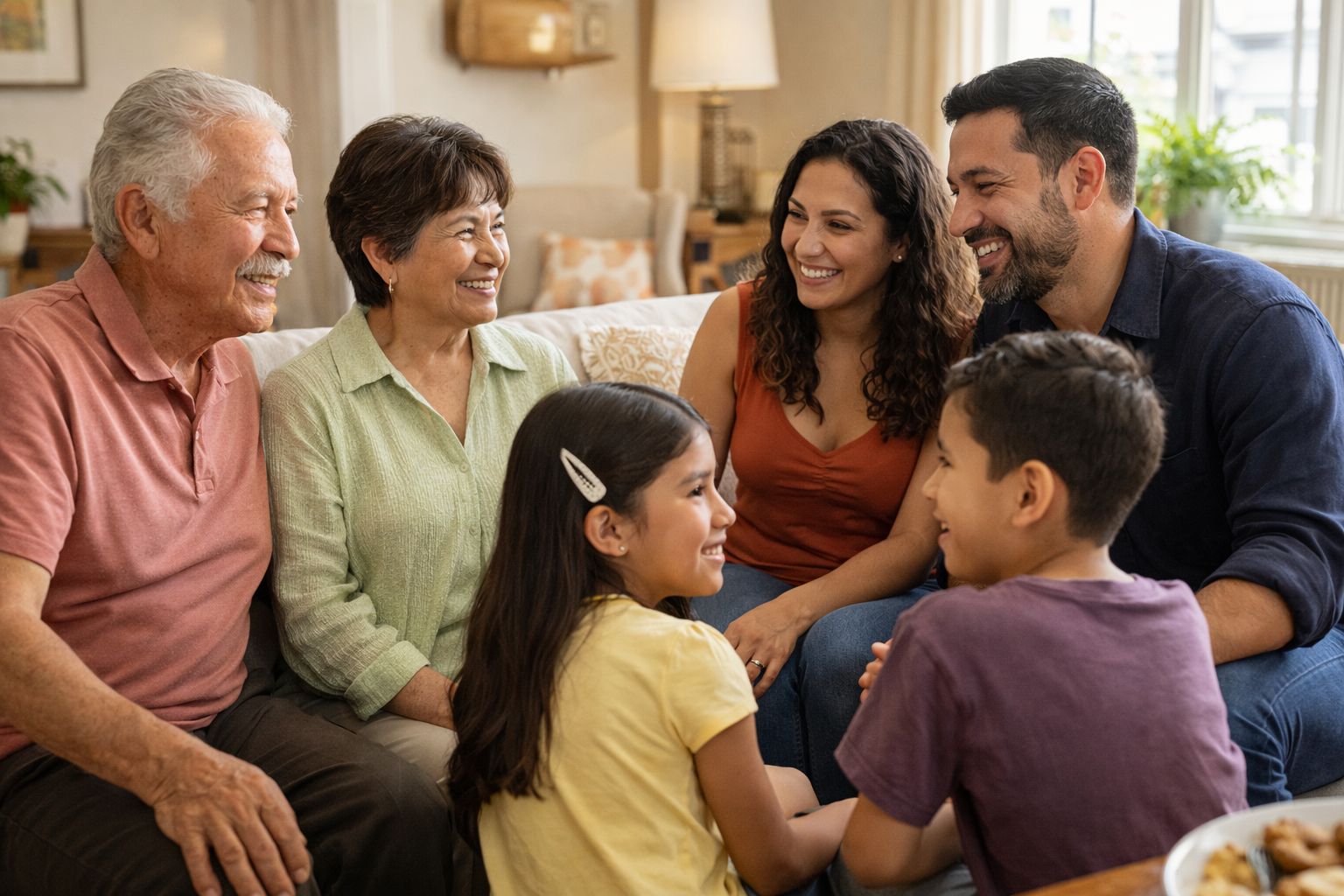
Preserving cultural identity is essential for any community, and for Chicano families, intergenerational dialogue serves as a vital bridge connecting past, present, and future. Conversations between elders and youth allow for the preservation of traditions, values, and stories that define the Chicano experience. This dialogue fosters a deep sense of belonging while empowering younger generations to adapt these teachings in contemporary ways.
Storytelling Traditions and Their Role in Passing Down Heritage
Storytelling has always been a central part of Chicano family traditions. Elders often share narratives of resilience, migration, and triumph over obstacles such as systemic injustice and cultural marginalization. These stories are not just memories—they are lessons that shape the identity and principles of younger generations. Through these tales, values like perseverance, community strength, and social justice are imparted in ways that resonate deeply. For example, sharing stories of activism in the Chicano Civil Rights Movement provides historical context and inspiration for today’s struggles with inequality.
By engaging in storytelling, families create shared memories that build solidarity and pride. Youth are reminded of the sacrifices and achievements of their ancestors, gaining insight into the legacy they carry forward. Additionally, storytelling ensures that traditions like Día de los Muertos or quinceañeras continue to thrive, connecting generations to their roots.
Preserving Cultural Identity in a Fast-Changing World
The modern world presents many challenges to preserving intergenerational Latino culture. Globalization, media influence, and the pressures to assimilate can dilute Chicano traditions. However, by maintaining open conversations about these pressures, families can choose how to balance cultural preservation with modernity. Language is often a key element in this process.
For many, speaking Spanish connects them directly to their heritage. However, younger generations raised primarily in English-speaking environments may struggle to retain the language. Elders who take the time to teach Spanish offer more than communication skills; they provide a gateway to broader cultural understanding. Similarly, introducing youth to cultural practices like traditional cooking, music, or art ensures that these elements remain vibrant—even as lifestyles evolve.
Intergenerational dialogue also empowers youth to ask questions and challenge outdated norms when necessary. This dynamic interaction encourages critical thinking while ensuring cultural values remain relevant and inclusive.
Addressing Modern Challenges with Respect and Adaptation
Chicano families face unique modern challenges, ranging from socio-economic inequalities to racial discrimination. Intergenerational dialogue becomes vital when navigating these issues. Elders bring wisdom gained through decades of resistance and advocacy, while younger family members often bring fresh perspectives and innovative approaches.
For example, grandparents may recall the grassroots organizing efforts of the 1960s and 70s, instilling a sense of activism in their grandchildren. Younger generations, born into the digital age, can use social media platforms to amplify these stories and advocate for social change. Together, they create a dynamic partnership rooted in shared respect and collaboration.
It is equally important for families to address sensitive topics like mental health, gender roles, and identity differences. By fostering non-judgmental communication, families create safe spaces for discussions that promote mutual understanding. Open dialogue ensures that cultural values evolve in ways that honor tradition while respecting individual growth and societal progress.
The Role of Language and Values in Strengthening Connections
Language and values are the bedrock of any culture, and for Chicano families, they serve as the glue that binds generations. Teaching children traditional phrases or engaging them in family prayers reinforces spiritual and cultural ties. These seemingly simple acts carry profound significance. They fortify relationships between family members and instill a sense of pride in one’s heritage.
Respect, hard work, and community involvement are core values often passed down within Chicano families. These principles offer guidance for navigating life’s complexities while maintaining integrity and a strong cultural identity. Elders who take the time to verbalize these values to younger relatives ensure that the heart of Chicano culture beats strong across generations.
Furthermore, encouraging youth to carry these principles into their daily lives—whether by participating in community service or advocating for social justice—demonstrates how tradition and modern responsibility intersect.
Community Impact and Cultural Resilience
The benefits of intergenerational dialogue extend well beyond individual families. When Chicano families share their traditions, they strengthen their communities as well. Elders impart wisdom in community workshops or public events, while youth use these experiences to educate their peers and advocate for inclusion.
Through efforts like preserving culturally relevant education programs, local art initiatives, or community festivals, intergenerational collaboration becomes a force for cultural resilience. The shared commitment to keeping traditions alive reinforces the unity and pride that propel Chicano communities forward—despite enduring systemic challenges.
Creating spaces for intergenerational exchange, such as mentorship programs, storytelling nights, or family cultural projects, deepens this impact. It emphasizes that the survival of Chicano identity requires collective action and broad participation.
Keep Our Culture Alive
Chicano culture thrives when we share, explore, and celebrate it together. Whether through art, language, history, or everyday experiences, we each play a part in preserving our heritage. Join the movement—learn about our stories, uplift our voices, and pass on the traditions that shape who we are. Together, let’s keep Chicano identity strong for future generations.