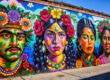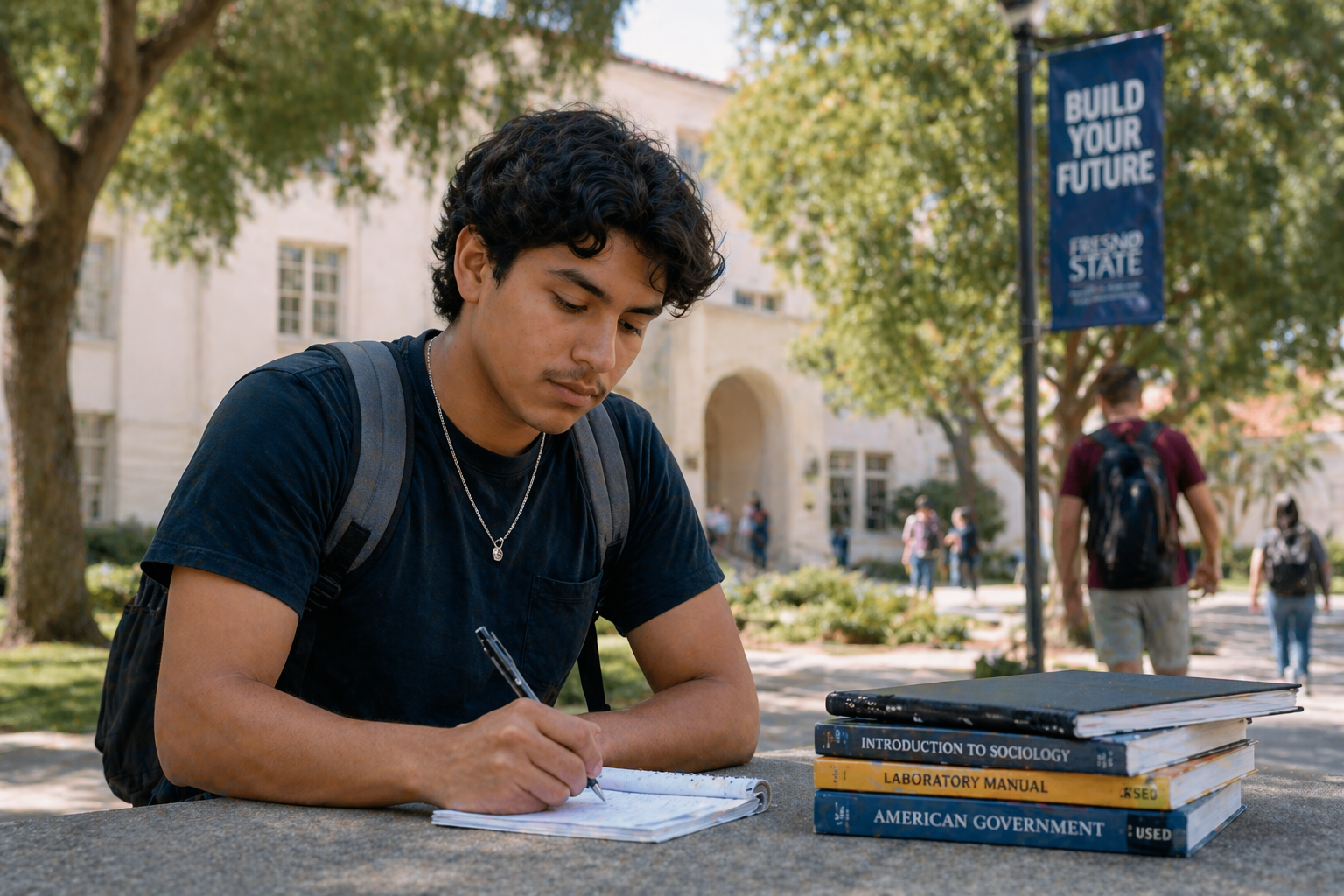
Education has long been a powerful tool for empowerment and change. For Chicano communities, the rise of first-generation college students presents a unique opportunity to break barriers, foster cultural pride, and create ripple effects of growth and success across generations. Particularly in California, where a significant number of Chicano families reside, the educational achievements of first-generation college students are reshaping the narrative of opportunity and representation.
Breaking Generational Barriers Through Education
First-generation college students are often the first in their families to pursue higher education, a milestone that breaks down generational barriers. Many come from families where financial challenges, systemic inequities, and limited access to resources have long hindered educational opportunities. By attending college, these students not only change the trajectory of their own lives but also inspire younger siblings and relatives, proving that higher education is possible despite obstacles.
Education also empowers Chicano students to challenge stereotypes and prove the resilience of their communities. Each diploma represents the outcome of perseverance in the face of adversity, as many students juggle academics, jobs, and familial responsibilities. These achievements send a message of hope, showing others that systemic cycles of disadvantage can be dismantled with courage and determination.
Economic and Social Impact on Families
The economic benefits of first-generation college graduates extend far beyond the individual. Higher education opens doors to better-paying jobs, which in turn uplift entire families. For Chicano families in California, where income disparities are prevalent, the financial contributions of college graduates can alleviate economic hardships, support younger family members’ education, and even allow for investments in the community.
Socially, these students act as bridges between academic institutions and their families, bringing back knowledge and resources that benefit their households and neighborhoods. Parents may not have attended college themselves, but they take great pride in their children’s achievements, fostering an environment that values the pursuit of education.
Cultural Pride and Identity Reinforcement
Navigating college as a first-generation student often comes with the challenge of balancing one’s cultural identity with academic success. For Chicano students, this balance is an opportunity to reaffirm pride in their heritage. Many participate in organizations, cultural events, or academic programs that emphasize Chicano history, art, and social movements.
These experiences deepen their understanding of their roots and strengthen their cultural identities. Bringing this knowledge back to their communities helps preserve traditions and creates a sense of empowerment for others. By celebrating their heritage within academic spaces, Chicano students demonstrate that success and cultural pride are not mutually exclusive but intertwined.
Community Leadership and Mentorship
First-generation college students frequently take on roles as mentors and leaders within their communities. Having overcome obstacles themselves, they understand the challenges faced by others and often dedicate their time to guiding younger generations. Whether through tutoring, career advice, or simply sharing their experiences, these students contribute to a cycle of empowerment.
Furthermore, their success stories serve as a source of inspiration for their peers. Representation matters, and when younger Chicanos see someone like them thriving in academic or professional settings, it ignites the belief that they, too, can succeed. Leadership and advocacy from first-generation students strengthen the social fabric of Chicano communities, fostering unity and collective progress.
Challenges and Resilience of First-Gen Students
The path for first-generation college students is not without its hurdles. Many face systemic challenges, such as navigating college admissions processes without prior family knowledge, dealing with financial burdens, or feeling isolated in predominantly white institutions. Yet, these difficulties often fuel their determination to succeed.
Resilience becomes a defining trait of Chicano first-generation students. By finding support networks, joining cultural groups, and advocating for better campus resources, they build communities that nurture growth. Through their persistence, they not only succeed but also pave the way for those who follow, ensuring that the barriers they faced become less daunting for future generations.
Keep Our Culture Alive
Chicano culture thrives when we share, explore, and celebrate it together. Whether through art, language, history, or everyday experiences, we each play a part in preserving our heritage. Join the movement—learn about our stories, uplift our voices, and pass on the traditions that shape who we are. Together, let’s keep Chicano identity strong for future generations.