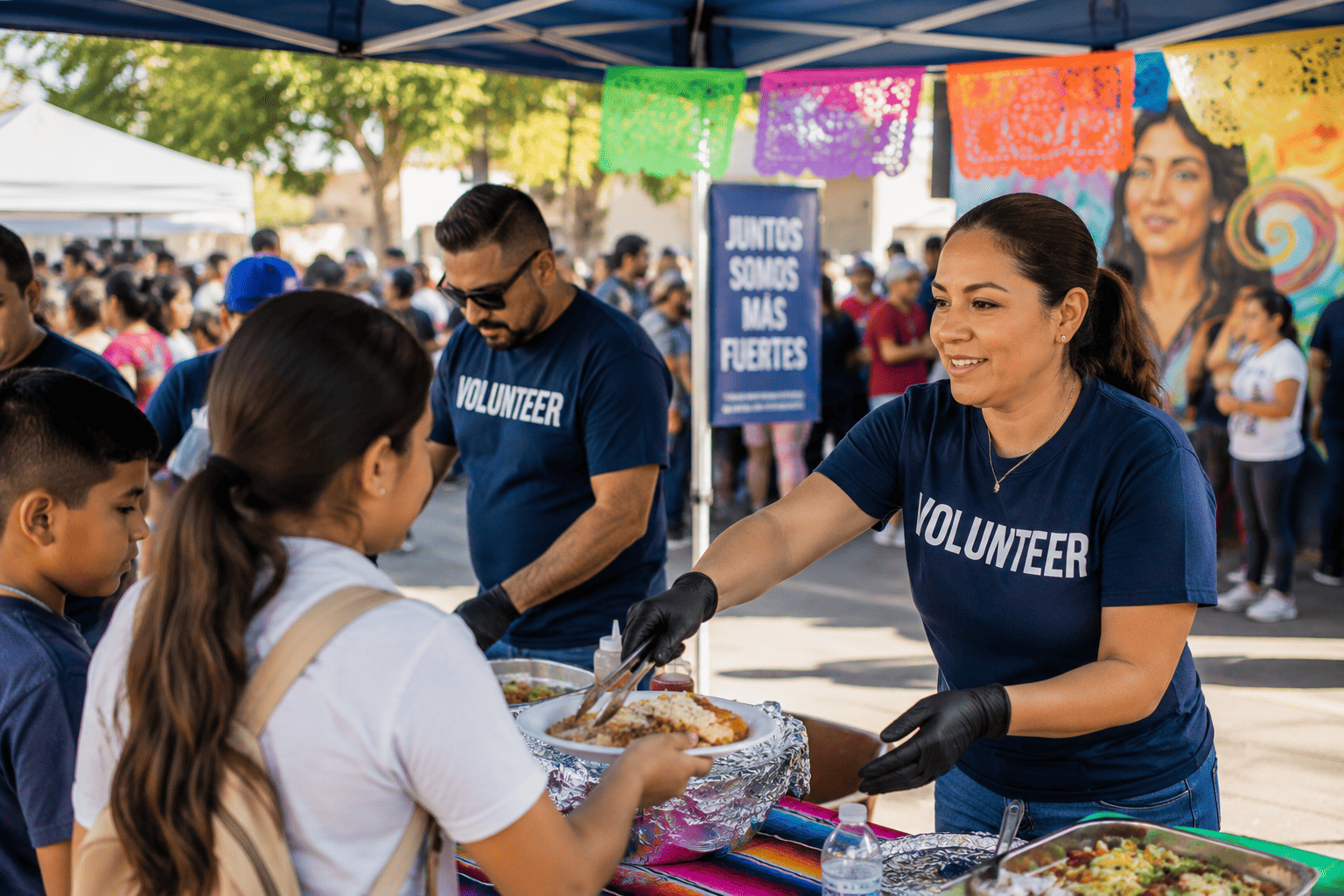
Volunteerism in Latino communities is more than an act of service. It is a way to strengthen relationships, preserve cultural knowledge, and create opportunities for collective growth. When people give their time to support neighbors, youth programs, and community spaces, they help build trust that lasts well beyond a single event.
Across many communities, volunteer efforts keep cultural traditions visible and make local support systems more resilient. They also create practical pathways for leadership development and civic engagement.
Community Growth Starts With Shared Responsibility
Strong communities are rarely built by institutions alone. They grow when residents feel responsible for one another and choose to participate in everyday efforts that improve local life. Volunteerism helps turn that sense of responsibility into action.
Whether supporting educational programs, art events, neighborhood outreach, or family-centered initiatives, volunteers help expand what community organizations can achieve. Their time makes cultural and educational work more sustainable.
Volunteering Builds Leaders From Within
Volunteer roles often become early leadership experiences. People learn how to organize, communicate, mentor, and advocate while staying grounded in the needs of their own communities. That matters because leadership is strongest when it reflects local voices and lived experience.
For young people in particular, volunteering can create a deeper connection between identity and responsibility. It shows that cultural pride is not only something to celebrate, but also something to protect and advance through action.
Intergenerational Impact
Volunteer spaces can also bring generations together. Elders share stories, traditions, and perspective, while younger volunteers bring new energy and new ways of reaching people. That exchange helps keep culture alive in practical and personal ways.
Cultural Preservation Needs Participation
Latino communities are strengthened when culture is practiced, discussed, and shared openly. Volunteerism supports that work by making room for events, education, and community care that might otherwise be limited by resources.
When volunteers help organize programs rooted in history, art, language, or neighborhood advocacy, they reinforce the idea that culture is active. It lives through participation, not only remembrance.
Service Creates Lasting Belonging
At its best, volunteerism creates a stronger sense of belonging. It reminds people that they are part of something larger than themselves and that their time can help shape the future of their community.
For Latino communities, that shared effort can support growth, preserve heritage, and open space for new leaders to emerge with purpose and pride.
Keep Our Culture Alive
Chicano culture thrives when we share, explore, and celebrate it together. Whether through art, language, history, or everyday experiences, we each play a part in preserving our heritage. Join the movement—learn about our stories, uplift our voices, and pass on the traditions that shape who we are. Together, let’s keep Chicano identity strong for future generations.