For many Chicano families in California, the concept of “home” is more than a physical structure—it represents culture, identity, and community. However, the skyrocketing cost of housing, coupled with widespread displacement in urban and rural areas, has created significant challenges for these families. Despite these hurdles, multigenerational Chicano households have found ways to create nurturing spaces, preserve their traditions, and adapt to the dynamic housing landscape of California.
Housing Challenges Facing Chicano Families in California
California’s housing market is one of the most expensive in the United States. Many Chicano families face disproportionate barriers, including rising rents, restrictive zoning policies, and displacement due to gentrification. According to recent reports, Latino households are more likely to be cost-burdened, spending over 30% of their income on housing. This financial strain often forces families to make difficult decisions or relocate from their established communities.
Urban redevelopment projects in cities like Los Angeles and San Francisco have pushed many long-time residents out of their neighborhoods. For Chicano families, these changes are not just economic but also cultural—losing a home often means losing proximity to cultural landmarks, schools, and close-knit communities that have been built over decades.
The Role of Multigenerational Living in Chicano Households
To combat housing affordability challenges, many Chicano families have embraced multigenerational living as a strategic solution. Living together under one roof allows families to pool financial resources, reduce living expenses, and foster a sense of collective support. Grandparents, parents, and children share not only the home but also responsibilities and traditions, promoting familial bonds and cultural continuity.
Multigenerational living also allows Chicano families to retain a stronger connection to their roots. Grandparents play a pivotal role in teaching language, values, and traditions to younger generations. This shared dynamic ensures that cultural heritage thrives despite external pressures like urban displacement or economic instability.
Legacy Homeownership and the Value of Shared Spaces
For Chicano families, owning a home symbolizes stability, achievement, and permanence. Homeownership is often viewed not just as an individual accomplishment but as a legacy to be passed on to future generations. Families work tirelessly to retain properties that have been in their names for decades, even if it means making sacrifices to preserve the family home.
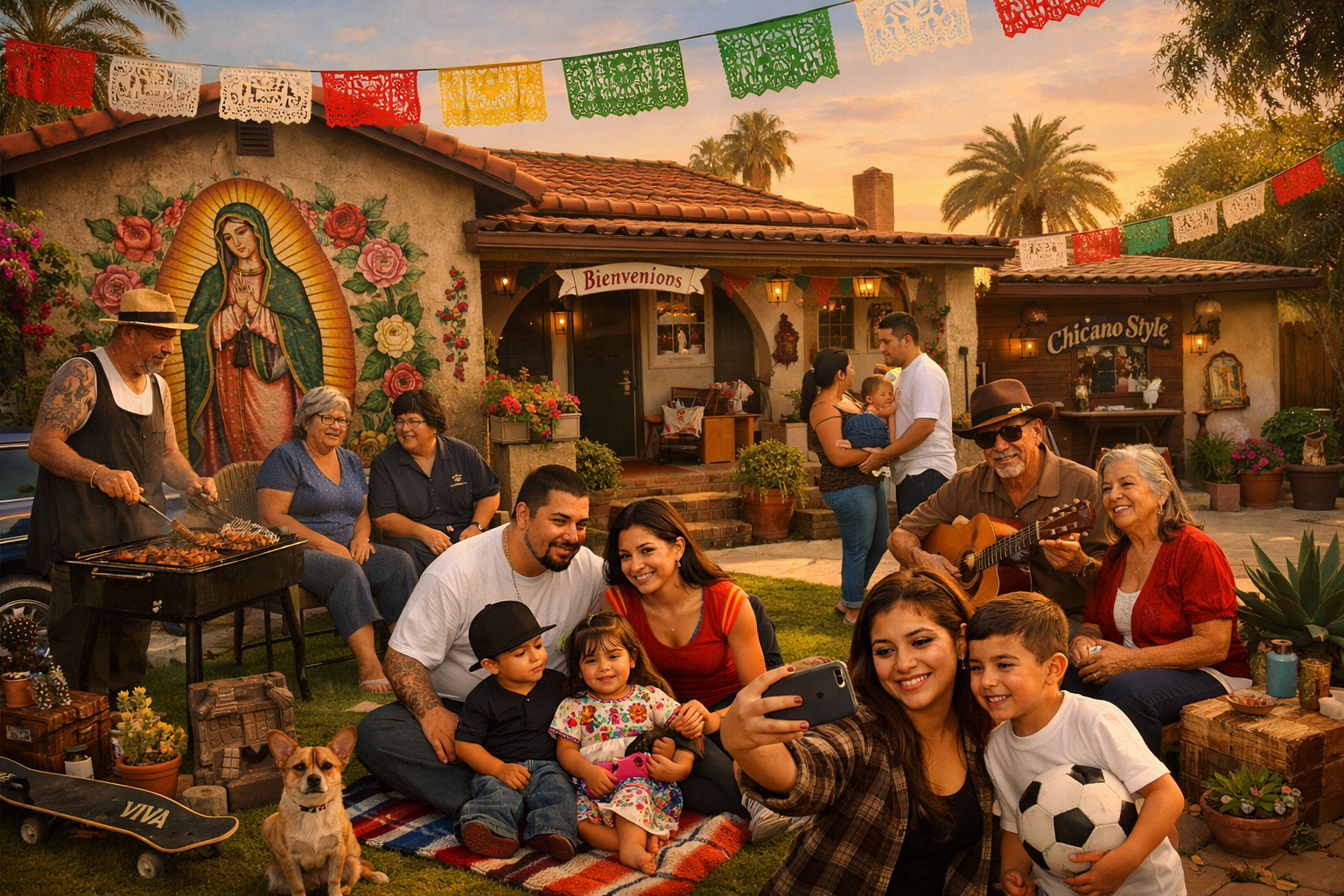
Shared spaces within these homes also reflect the community-oriented values inherent in Chicano culture. Porches, kitchens, and living rooms become hubs for celebrations, storytelling, and gathering. These spaces allow families to create memories while reinforcing the importance of unity and togetherness.
Cultural Values Tied to the Idea of “Home”
The concept of “home” within Chicano culture extends beyond physical shelter. It is deeply tied to identity, history, and belonging. For many Chicano families, the home serves as a place to practice traditions, host family gatherings, and share multi-generational wisdom. It is where tamales or pozole are lovingly prepared during holidays and where stories of resilience and struggle are passed on.
This cultural connection makes the loss of a home due to economic displacement extremely difficult. However, Chicano families have shown resilience by building connections in new areas, ensuring their sense of “home” lives on, no matter the circumstances.
Resilience Amid Affordability and Displacement Challenges
Despite the daunting challenges of California’s housing market, Chicano communities continue to showcase resilience. Non-profit organizations and grassroots movements have become vital in advocating for affordable housing, tenant protections, and preservation of cultural districts. These collective efforts also highlight the power of community in addressing systemic challenges without losing cultural identity.
For example, in Boyle Heights, local residents and activists work tirelessly to preserve the neighborhood’s vibrant Chicano heritage, even as developers eye the area for high-end housing projects. This resilience underscores the importance of relying on community bonds to fight displacement and ensure affordable housing options remain available for future generations.
Keep Our Culture Alive
Chicano culture thrives when we share, explore, and celebrate it together. Whether through art, language, history, or everyday experiences, we each play a part in preserving our heritage. Join the movement—learn about our stories, uplift our voices, and pass on the traditions that shape who we are. Together, let’s keep Chicano identity strong for future generations.
By preserving our homes and communities, we preserve our culture, ensuring its vitality in the face of changing times. Together, we can continue to make California a place where Chicano families, traditions, and history not only survive but prosper.