Chicano community libraries are becoming more than quiet places for books. In many neighborhoods, local libraries are evolving into welcoming spaces where culture, language, history, and community connection can all be explored together. That shift matters because access to knowledge feels more powerful when it also reflects identity and lived experience.
For Chicano communities in California, libraries can serve as practical and meaningful gathering points. They offer room for education, creative expression, and cultural exchange in ways that reach young people, adults, and families across generations.
Why Libraries Matter Beyond Books
Libraries have long supported public learning, but today many are broadening that role. They are hosting events, building community partnerships, and creating spaces where local stories and cultural voices are more visible.
That broader role is especially valuable for communities looking for accessible places to gather, learn, and reconnect with heritage in everyday life.
Ways Libraries Are Becoming Cultural Hubs
Bilingual Resources and Representation
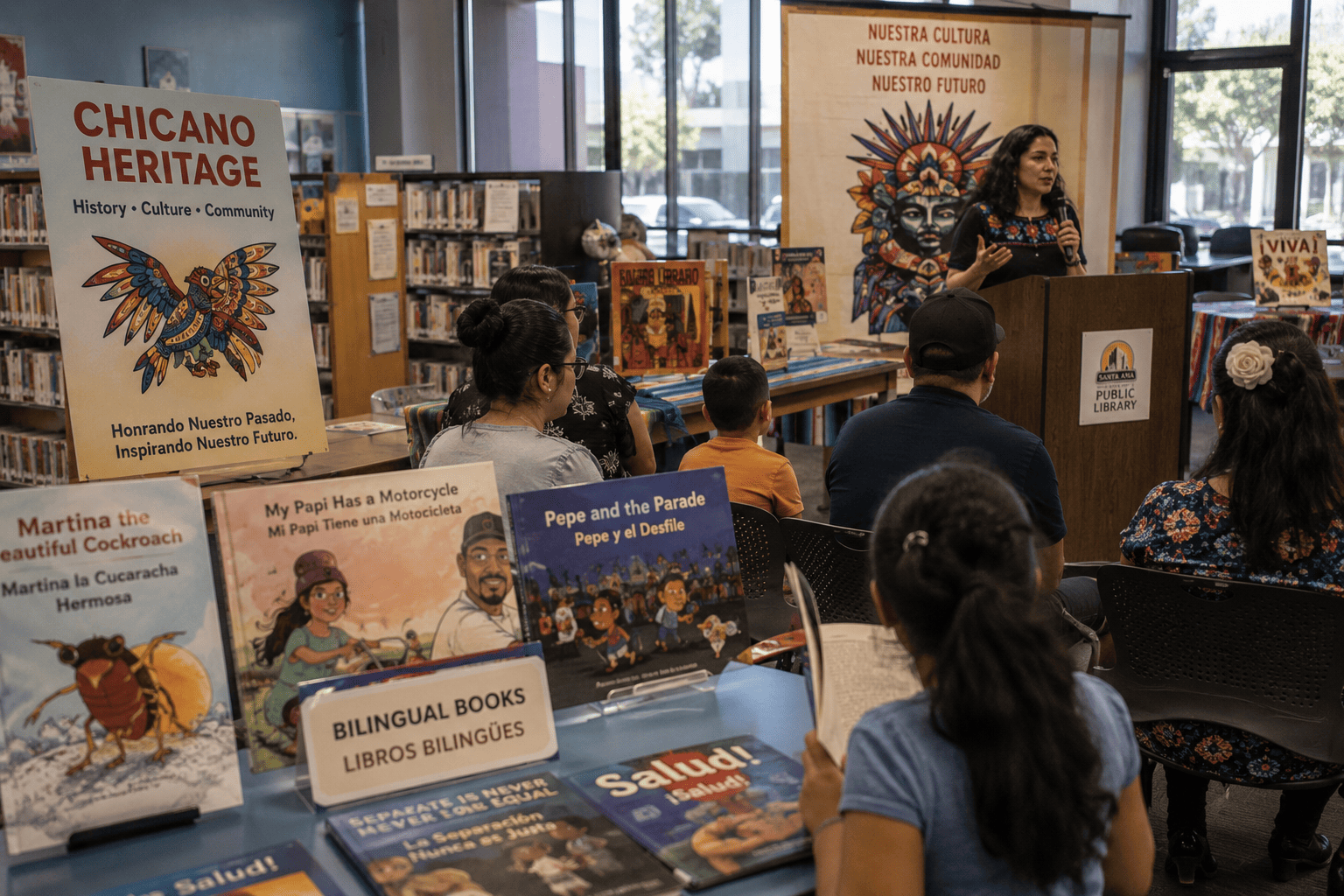
Bilingual books, family literacy materials, and Spanish-language resources can help libraries become more welcoming and useful. When people see language and stories that reflect their own experiences, the library feels less distant and more connected to the community it serves.
Cultural Events and Public Programming
Libraries are increasingly hosting workshops, art events, readings, and discussions that center culture and local history. These programs can create opportunities for Chicano voices, artists, and educators to share knowledge in a public and inclusive setting.
Spaces for Community Empowerment
A library can also become a place where people build confidence, ask questions, and connect with one another. That matters for community empowerment because learning is not only academic. It is also social, intergenerational, and rooted in the ability to see one’s culture treated with respect.
How These Spaces Strengthen Community
When libraries support cultural belonging, they help create stronger bridges between generations. Young people gain access to stories and resources that deepen identity, while adults and elders have opportunities to share knowledge, memory, and perspective.
These spaces also encourage participation in community life. A library that reflects local culture can become a starting point for dialogue, creativity, and continued learning beyond the building itself.
A Meaningful Place to Learn and Belong
Local libraries are becoming cultural hubs for Chicano communities because they offer more than information. They provide space for language, heritage, and empowerment to stay active in public life. When libraries invest in those roles, they help communities learn, connect, and preserve culture with dignity.
Keep Our Culture Alive
Chicano culture thrives when we share, explore, and celebrate it together. Whether through art, language, history, or everyday experiences, we each play a part in preserving our heritage. Join the movement—learn about our stories, uplift our voices, and pass on the traditions that shape who we are. Together, let’s keep Chicano identity strong for future generations.