Education has long been a powerful tool for transformation within the Chicano community, fostering empowerment, resilience, and progress. Today, a new generation of Chicano educators in California is at the forefront of this movement. These passionate teachers, professors, and community leaders are shaping classrooms and communities with culturally relevant teaching approaches, mentorship, and a commitment to educational equity. Their work goes beyond the classroom, celebrating Chicano heritage while addressing systemic challenges in education.
Representation Matters: Young Chicano Leaders in the Classroom
Representation in education is more than a statistic—it’s a beacon of hope and inspiration for students. Young Chicano educators are reshaping the narrative for students in California by providing relatable role models who understand their lived experiences. Teachers like Miguel Ramirez in Los Angeles and professors like Dr. Carolina Lopez in San Diego are embodying this change.
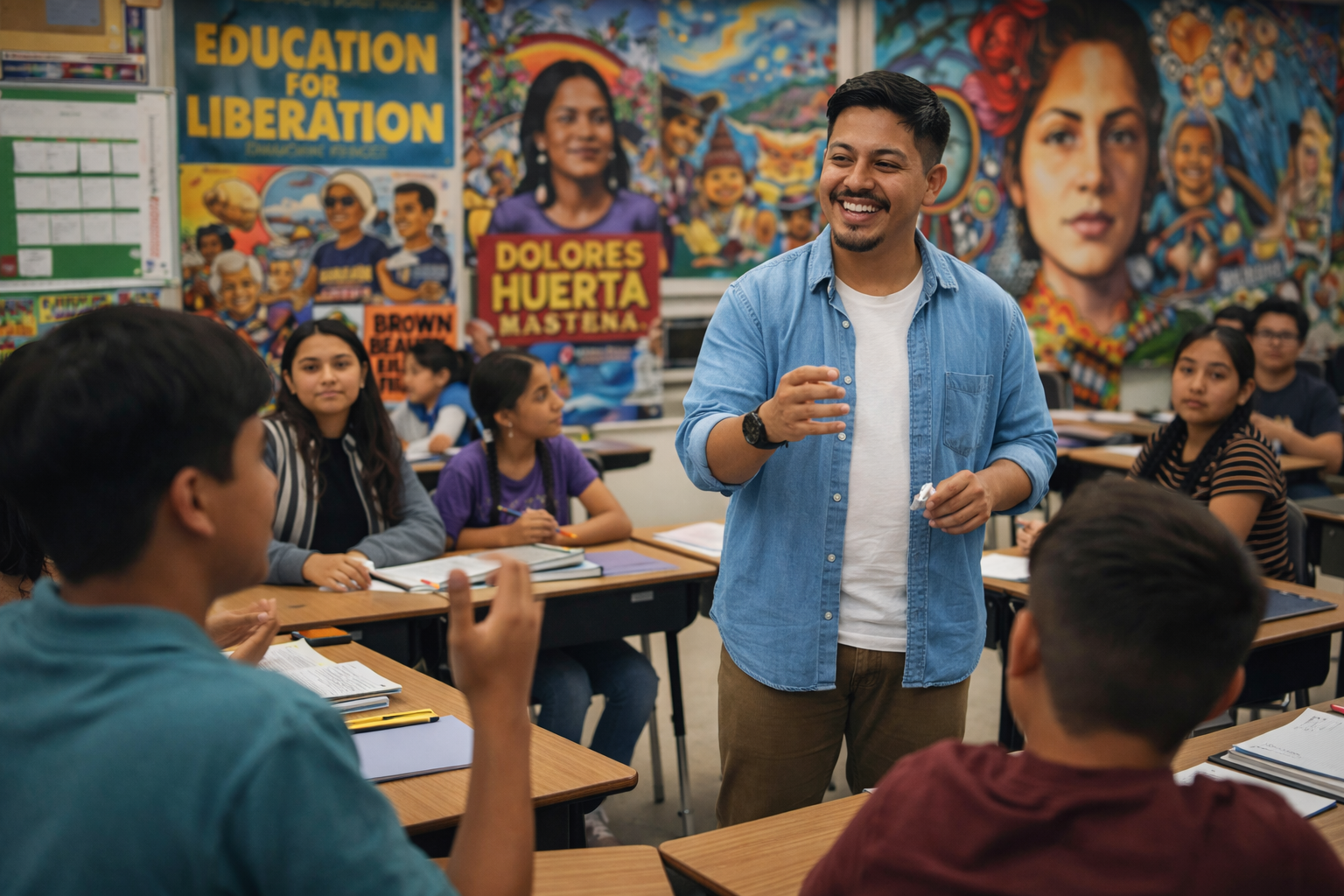
Miguel works in a predominantly Latino school where he integrates stories of Chicano activists like Dolores Huerta into lessons. Dr. Lopez, meanwhile, teaches Chicano Studies, emphasizing the resilience of the community throughout history. By representing the culture in their work, they instill pride and purpose in their students while encouraging a sense of belonging.
Culturally Relevant Teaching in Action
Chicano educators understand the importance of integrating cultural relevance into their teaching. Tools like bilingual storytelling, traditional artforms, and the history of the Chicano movement are centerpieces of their lessons.
For instance, incorporating murals inspired by prominent Chicano artists, such as Diego Rivera or Judy Baca, not only brings art into schools but also allows students to see their own heritage mirrored in creative expression. Lessons on labor rights using César Chávez’s activism provide historical context while encouraging students to think critically about social justice.
This approach not only enriches students’ educational experience but also empowers them to see their heritage as a source of strength.
Mentorship and Community Building
Another key focus of Chicano educators is mentorship. Many students in California face systemic barriers, such as unequal access to resources or language challenges, but dedicated teachers are stepping up. They act as mentors, ensuring every student has the support to succeed academically and personally.
Young educators like Alicia Morales, a middle school teacher in Fresno, spend time after school helping students with their goals. Morales also connects her students’ families with local resources to promote a wider circle of community support. These mentorship efforts play a major role in fostering confidence and motivation in young learners.
Additionally, community-centered approaches to education bring families, elders, and students together in schools to create stronger ties. Events like “cultural nights” showcase dances, music, and culinary traditions that celebrate Chicano identity while engaging people of all generations.
Fighting for Educational Equity
Educational equity remains a significant challenge in California. However, the next generation of Chicano educators is dedicated to reducing disparities and advocating for systemic change. Many are working with grassroots organizations and educational nonprofits to ensure funding, resources, and opportunities flow into historically underserved areas.
For example, teacher-activist Juan Ortega partners with local leaders in Oakland to advocate for increased bilingual education programs. Similarly, community forums initiated by Chicano professors in low-income areas promote discussions surrounding educational reform, aiming to dismantle inequities that disproportionately affect Latino students.
These efforts highlight how young educators are using their voices to demand a better future for the next generation, emphasizing that education is not just about curriculum—it’s about equity, justice, and opportunity.
The Role of Youth Leadership in Education
The influence of young Chicano educators extends beyond classrooms. They inspire youth leadership by empowering students to engage in activism, take pride in their identity, and envision a future where they can thrive. Programs like weekend workshops on leadership skills, organized by young teachers, equip students with tools to make a difference in their communities.
Through these initiatives, the torch of activism is being passed to the next generation. Stories of empowered students becoming community leaders are a testament to the lifelong impact of an inspiring teacher.
Keep Our Culture Alive
Chicano culture thrives when we share, explore, and celebrate it together. Whether through art, language, history, or everyday experiences, we each play a part in preserving our heritage. Join the movement—learn about our stories, uplift our voices, and pass on the traditions that shape who we are. Together, let’s keep Chicano identity strong for future generations.