Chicano oral history projects help preserve experiences that do not always appear in textbooks, archives, or formal public records. When elders share personal memories, family traditions, and community stories, younger generations gain access to history through lived experience. That makes oral history a powerful tool for preserving Chicano heritage in a way that feels personal, local, and deeply human.
These stories often carry more than dates and events. They pass on values, language, cultural practices, and the emotional truth of how communities have grown, struggled, and organized across generations. In that sense, oral history is not only about documenting the past. It is also about strengthening identity in the present.
What Oral History Projects Contribute
Intergenerational connection
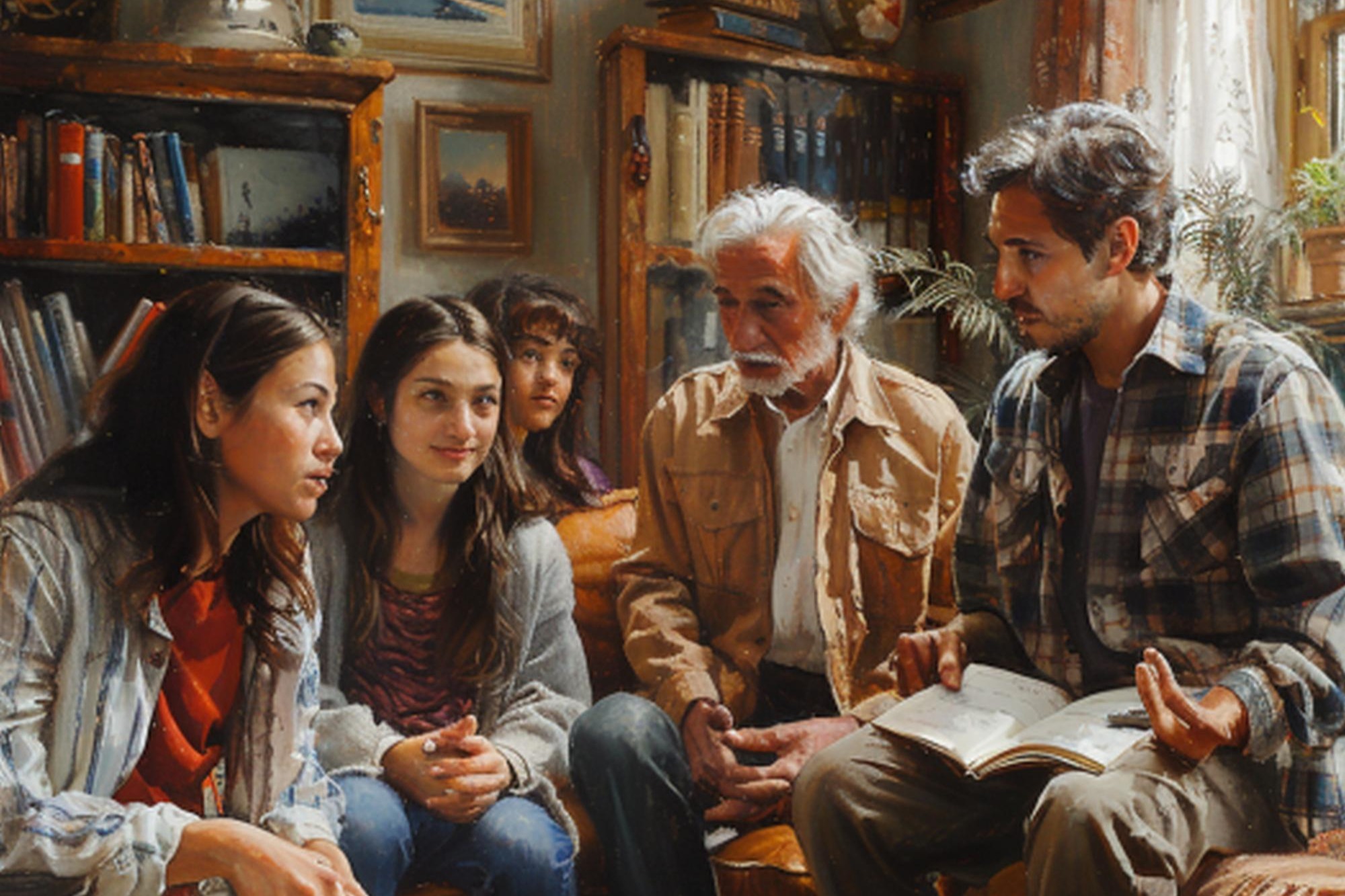
When young people listen to elders speak about migration, work, family, activism, or neighborhood life, they gain a clearer sense of continuity. Oral history creates room for learning that is relational rather than abstract.
Cultural preservation
Community storytelling helps preserve traditions, language patterns, and local memories that might otherwise be lost. These details are essential to understanding how Chicano heritage is lived and remembered.
Stronger local history
Oral history projects also enrich California community history by documenting voices that are often underrepresented. They give local institutions, families, and organizers a more complete picture of the people who shaped a place.
How Communities Can Build Meaningful Projects
A strong oral history project begins with respect, trust, and clear purpose. Organizers can invite elders to share memories in comfortable settings, encourage bilingual storytelling when appropriate, and create space for younger participants to ask thoughtful questions. The goal should be to listen carefully rather than force stories into a rigid format.
Projects can be hosted by schools, neighborhood groups, cultural organizations, or local volunteers. What matters most is that the process honors the storyteller and preserves the story in a way the community can return to later.
A Living Archive for Future Generations
Community oral history projects preserve Chicano heritage because they keep memory active. They help people understand not only what happened, but how those experiences continue to shape identity, family, and collective pride today.
When communities make time to record, share, and revisit these stories, they create a living archive that future generations can learn from and build on. That is one of the most meaningful ways to keep culture alive.
Keep Our Culture Alive
Chicano culture thrives when we share, explore, and celebrate it together. Whether through art, language, history, or everyday experiences, we each play a part in preserving our heritage. Join the movement—learn about our stories, uplift our voices, and pass on the traditions that shape who we are. Together, let’s keep Chicano identity strong for future generations.