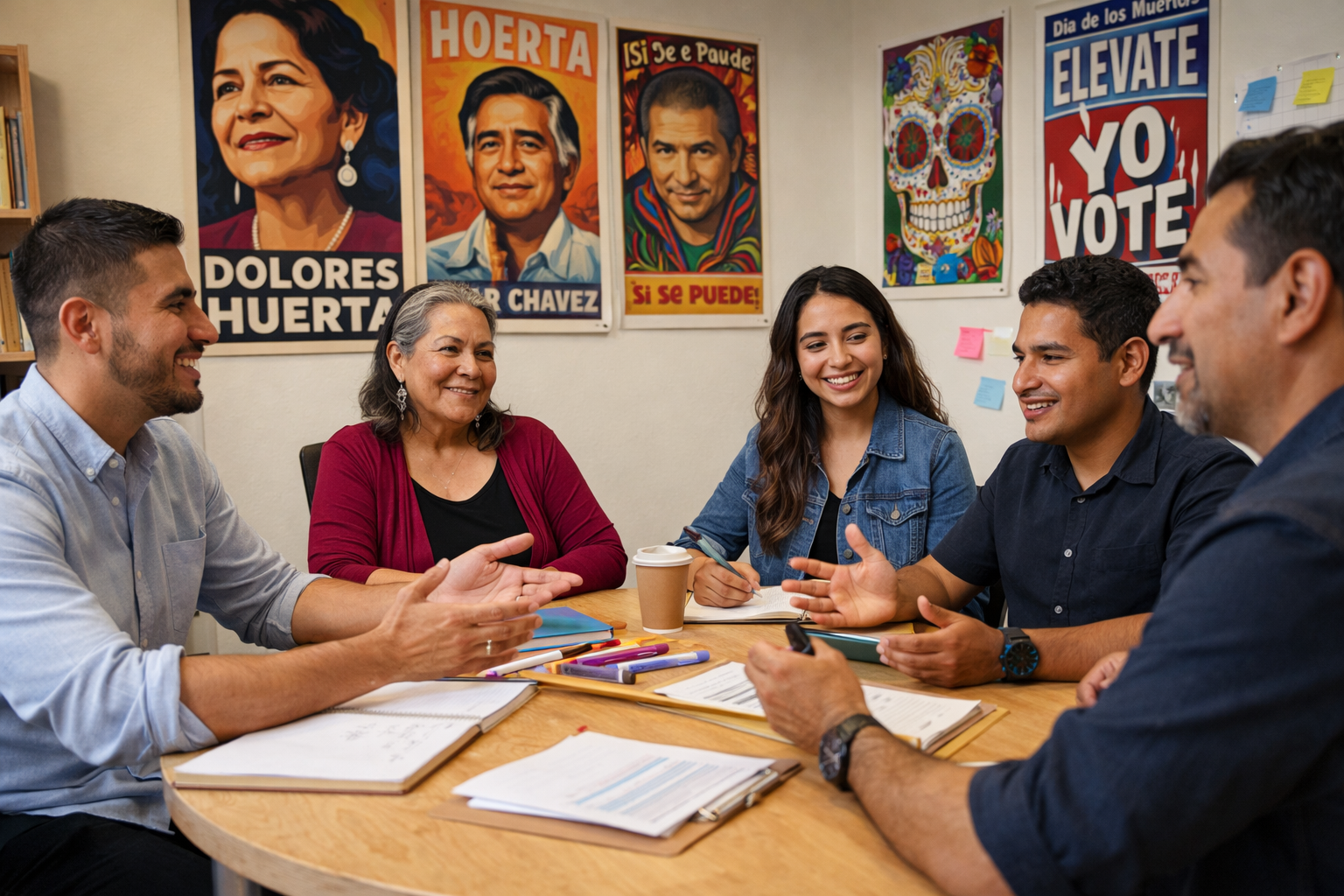
Chicano leadership in nonprofit organizations plays a vital role in empowering communities and preserving cultural heritage. Across California, Chicano leaders have been at the forefront of movements for social justice, education, and cultural preservation, often creating lasting change from the ground up. These leaders act as the voice of their communities, addressing systemic inequities while inspiring future generations to take action. By examining the historical contributions, present opportunities, and future of Chicano nonprofit leadership, we uncover the profound impact this movement continues to have on Latino communities.
The Historical Role of Chicano Leaders in Community Organizing
The roots of Chicano nonprofit leadership can be traced back to the Chicano Movement of the 1960s and 70s, also known as El Movimiento. This civil rights movement aimed to combat discrimination while advocating for educational reform, labor rights, and political representation. Many Chicano leaders, such as Cesar Chavez and Dolores Huerta, dedicated their work to improving conditions for Latino communities, particularly farmworkers, through grassroots activism and organizing.
These efforts paved the way for the formation of nonprofit organizations that addressed community needs. From creating educational programs for underprivileged youth to establishing health centers for underserved populations, Chicano leaders have consistently worked to provide vital resources and advocate for systemic change. Their legacy serves as an enduring foundation for modern-day community organizing.
Leadership in Education, Arts, and Social Justice Nonprofits
Chicano nonprofit leaders excel in addressing diverse areas of community development, including education, arts, and social justice.
Education Initiatives
Nonprofits focusing on education aim to close gaps in access and opportunity, particularly for marginalized Latino students. Organizations such as Chicanos Por La Causa and MALDEF (Mexican American Legal Defense and Educational Fund) provide scholarships, mentorship programs, and legal advocacy to support educational equity. By empowering the next generation through learning, these nonprofits ensure that young people have the tools to succeed while reconnecting with their cultural roots.
Arts and Cultural Preservation
The arts have been another critical avenue for Chicano leadership within nonprofits. Groups like Self Help Graphics & Art elevate Chicano artists while fostering community pride and cultural preservation. Through murals, exhibitions, and workshops, these organizations ensure that Chicano art remains a dynamic force for empowerment and storytelling.
Tackling Social Justice Issues
Social justice continues to be at the heart of many Chicano-led nonprofits. Leaders address issues from immigration reform to economic inequality, leveraging their platforms to amplify the voices of the marginalized. By bridging activism and community support, they sustain the movement’s core goals of justice and equity.
Challenges and Opportunities for Latino-Led Organizations
Operating a nonprofit organization that serves underrepresented populations often comes with unique hurdles. Chicano nonprofit leaders frequently face challenges such as limited funding, underrepresentation in leadership roles, and barriers caused by systemic inequities. Yet, these obstacles also present opportunities for collaboration and innovation.
Partnerships with other Latino community organizations strengthen efforts, ensuring that resources are shared and goals aligned. Additionally, increased visibility for Chicano leadership in philanthropy and nonprofit management contributes to breaking down systemic barriers. By fostering alliances and advocating for equitable funding, Chicano leaders are finding ways to overcome obstacles and create lasting progress.
Youth Empowerment and Cultural Preservation
Youth empowerment is a central focus of many Chicano nonprofit leaders. By involving young people in initiatives, they help nurture a sense of pride, identity, and responsibility within the community. Programs that teach traditional crafts, historical narratives, and activism basics ensure that valuable cultural knowledge is passed to future generations.
For example, mentorship initiatives provide young leaders with practical skills to organize, advocate, and lead effectively. Simultaneously, celebrating traditions such as Dia de los Muertos or commissioning murals serves as a powerful reminder of Chicano resilience and vibrancy.
The Future of Chicano Leadership in Nonprofit Spaces
The future of Chicano nonprofit leadership looks promising, with new voices emerging to carry forward the work started decades ago. Leaders are increasingly integrating technology, social media campaigns, and innovative strategies to reach wider audiences. This modern approach ensures that the movement remains relevant, accessible, and impactful especially for a younger, tech-savvy generation.
Ultimately, Chicano leadership in nonprofits is about connecting communities through shared purpose and aspirations. By fostering collaboration, mentoring new leaders, and maintaining a connection to cultural traditions, these organizations are building a brighter future for all.
Keep Our Culture Alive
Chicano culture thrives when we share, explore, and celebrate it together. Whether through art, language, history, or everyday experiences, we each play a part in preserving our heritage. Join the movement—learn about our stories, uplift our voices, and pass on the traditions that shape who we are. Together, let’s keep Chicano identity strong for future generations.