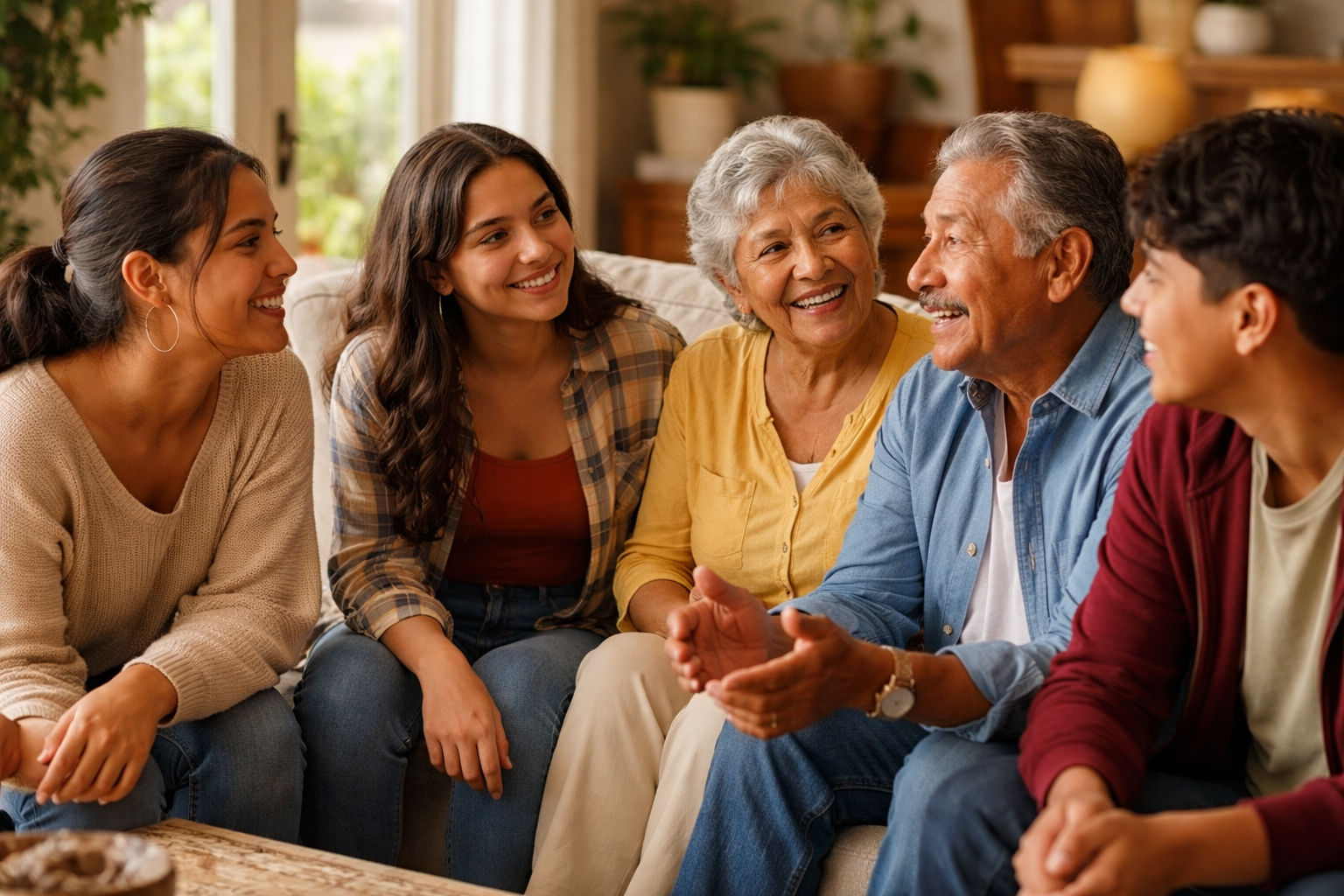
Preserving Chicano culture is a continuous and dynamic process, rooted in the bonds we create across generations. Families hold a unique power to sustain traditions, share history, and inspire a sense of identity. Intergenerational dialogue—a meaningful exchange of thoughts, values, and life experiences among family members of different ages—is at the heart of this cultural survival. By fostering these connections, Chicano families strengthen not only their own bonds but also the broader Latino community’s cultural legacy.
The Role of Elders in Preserving Chicano Heritage
Elders play an essential role in Chicano family traditions, acting as the storytellers and keepers of wisdom. Through their knowledge of language, history, and customs, they pass down invaluable lessons to younger generations. For instance, many grandparents relay personal narratives of resilience, migration, and cultural pride, helping youth understand the struggles and triumphs of their ancestors. By sharing these lived experiences, elders ensure that Chicano identity remains deeply rooted in collective memory, paving the way for future generations to carry it forward.
How Youth Reinterpret and Carry Traditions Forward
While elders serve as cultural anchors, younger generations bring fresh energy to Chicano traditions by reinterpreting them in modern ways. Across California, young Chicanos blend traditional practices such as Día de los Muertos celebrations or mural painting with contemporary influences like digital media and spoken word poetry. These creative expressions not only honor their roots but also keep the culture alive and relevant in a rapidly changing world. Youth act as vital bridges, connecting past and present while ensuring a dynamic, evolving cultural identity.
The Importance of Storytelling and Shared Experiences
Storytelling remains one of the most impactful ways to unite Chicano families across generations. Conversations over meals, recounting family histories, and exploring shared milestones create opportunities for understanding and mutual respect. These shared experiences build empathy and empower younger generations to see themselves as part of a larger narrative. When members of a family gather to discuss their heritage, a sense of belonging emerges, bringing families closer while preserving Chicano culture for the future.
Challenges in Bridging Generational Gaps
Despite the importance of intergenerational dialogue, differences in language, experiences, and worldview can create barriers. For instance, youth raised in the United States may struggle to connect with the perspectives of elders who grew up in Mexico or other parts of Latin America. Additionally, the fast-paced nature of modern life often leaves little time for meaningful conversations, making it harder to build bridges. Addressing these challenges requires patience, empathy, and intentional effort from both younger and older family members.
Practical Ways to Encourage Intergenerational Dialogue in Families
There are many practical methods for Chicano families to foster deeper connections and dialogue. Start with activities that celebrate intergenerational Latino culture, such as cooking traditional meals, sharing music, or creating art together. Encourage family members to engage in projects that explore their heritage, like documenting oral histories or visiting cultural landmarks in California. Prioritizing time for open and honest conversations can also nurture understanding, ensuring every voice is heard and valued.
Keep Our Culture Alive
Chicano culture thrives when we share, explore, and celebrate it together. Whether through art, language, history, or everyday experiences, we each play a part in preserving our heritage. Join the movement—learn about our stories, uplift our voices, and pass on the traditions that shape who we are. Together, let’s keep Chicano identity strong for future generations.