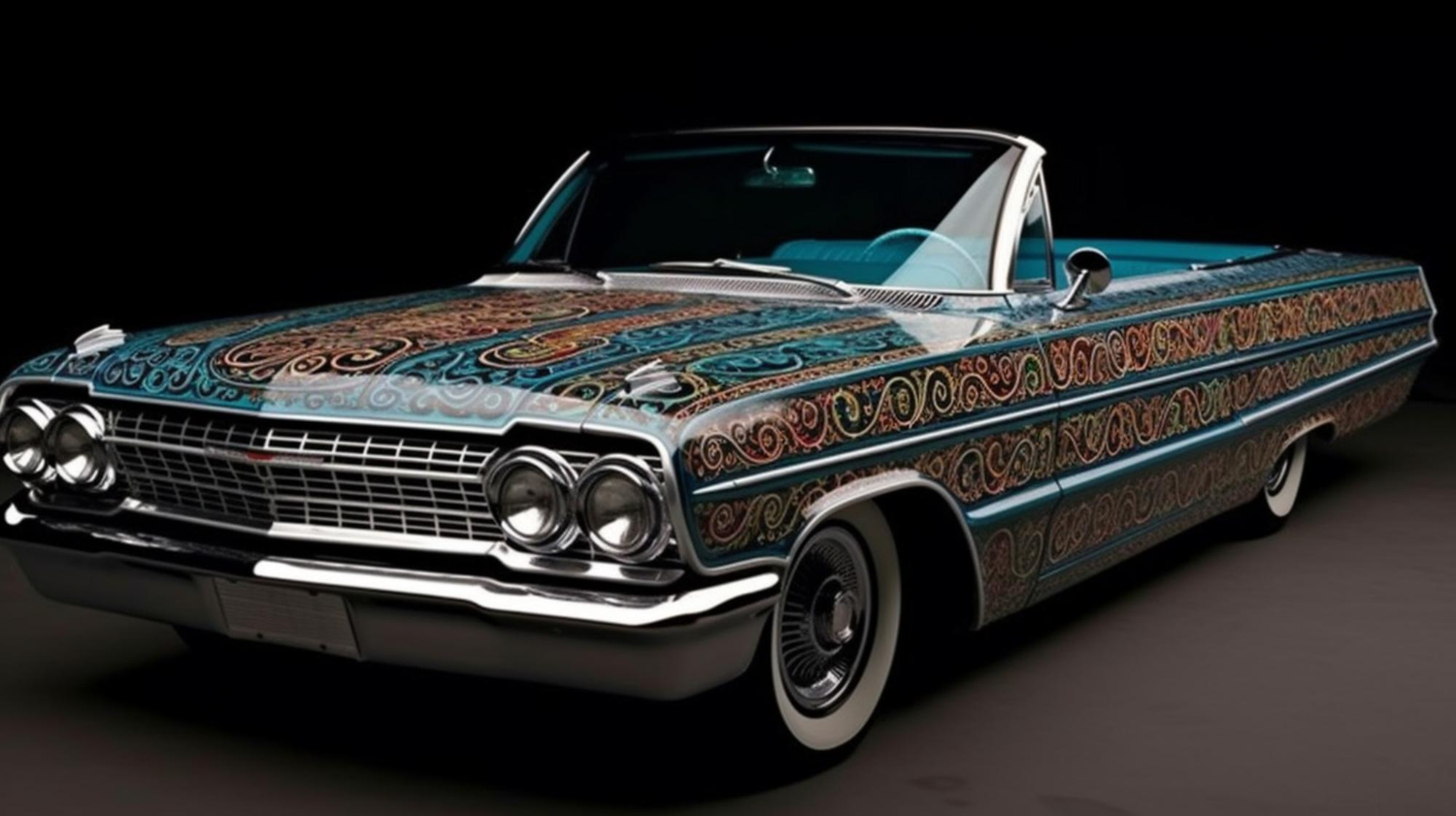
Lowrider culture in California is more than just custom cars and cruise nights; it is a vibrant expression of Chicano identity, creativity, and resilience. Rooted deeply in Southern California, especially in regions like the Inland Empire, this phenomenon has grown from a niche hobby into a significant cultural movement that bridges generations and fosters community connection. Whether you’re a seasoned enthusiast or new to the world of lowriding, this is a story of pride, artistry, and unity.
The Origins of Lowrider Culture in California
Lowriding emerged in the mid-20th century, a time when Chicano communities in California were navigating identity and belonging in a rapidly changing society. The post-World War II era saw an influx of young Mexican Americans who began customizing old cars, lowering them closer to the ground as an act of rebellion and self-expression. These “low and slow” cars became an outward reflection of style and pride, contrasting the high-speed, high-performance vehicles often favored by mainstream American car culture.
At its core, lowriding was not merely about cars—it was about reclaiming space, creating community, and celebrating Chicano heritage. Cruise nights became popular in cities like Los Angeles, San Diego, and the Inland Empire, where drivers showcased their vehicles adorned with intricate paint jobs, chrome detailing, and elaborate hydraulics.
The Evolution of Lowriding
Over the decades, lowrider culture evolved from a localized subculture into a global phenomenon. The 1970s marked a pivotal era with the founding of iconic Chicano car clubs such as the Dukes, Imperials, and Groupe. These organizations became much more than hobby groups—they were spaces where members could share experiences, offer mentorship, and build solidarity.
The art of lowriding became increasingly sophisticated during this time. Cars transformed into canvases, featuring airbrushed murals depicting Aztec imagery, Mexican-American iconography, and powerful expressions of spirituality and family. These rolling masterpieces not only captured attention but also carried deep cultural significance, preserving and sharing stories of Chicano experience.
Lowrider Activism and Cultural Expression
Lowrider car clubs in California have also played a key role in activism and cultural preservation. During times of social and political tension, lowriders became symbols of Chicano resistance and unity. Cruise nights and car shows were not just gatherings; they were platforms to raise awareness about issues like racial inequality, police profiling, and economic challenges faced by the community.
Modern lowrider events continue to highlight cultural expression and social advocacy. Many car clubs in the Inland Empire host fundraisers, toy drives, and community events aimed at uplifting local neighborhoods. These gatherings celebrate more than the cars—they honor the bonds and traditions that keep Chicano culture alive.
Community Connection Through Lowriding
Perhaps the most enduring aspect of lowrider culture is its ability to foster community. Families, youth, and elders come together at events to share stories, pass down wisdom, and celebrate their shared heritage. The lowrider lifestyle teaches respect, commitment, and an appreciation for hard work—values deeply ingrained in Chicano identity.
For the youth in California, lowriding offers a bridge to their roots, reminding them of the struggles and triumphs of their forebearers. By participating in or simply observing the culture, they gain a greater understanding of what it means to be part of the Chicano community.
Why Lowrider Culture Matters Today
Lowrider culture is a living testament to the creativity and resilience of the Chicano people. It has preserved traditions, created representation, and provided a channel for activism for decades. Today, as cultural landscapes shift, lowriding continues to serve as a unifying force in Southern California and beyond, inspiring the next generation to take pride in their heritage.
Keep Our Culture Alive
Chicano culture thrives when we share, explore, and celebrate it together. Whether through art, language, history, or everyday experiences, we each play a part in preserving our heritage. Join the movement—learn about our stories, uplift our voices, and pass on the traditions that shape who we are. Together, let’s keep Chicano identity strong for future generations.