The roots of Chicano culture run deep, and one way this enduring legacy is preserved is through the stories told by our families. Personal photo albums, combined with oral histories, serve as powerful tools in documenting the rich history of Chicano communities. Especially in places like California and the Inland Empire, these archives capture the essence of family, tradition, and resilience. They reflect not only personal memories but also a collective narrative of survival, growth, and cultural pride.
The Importance of Family Archives
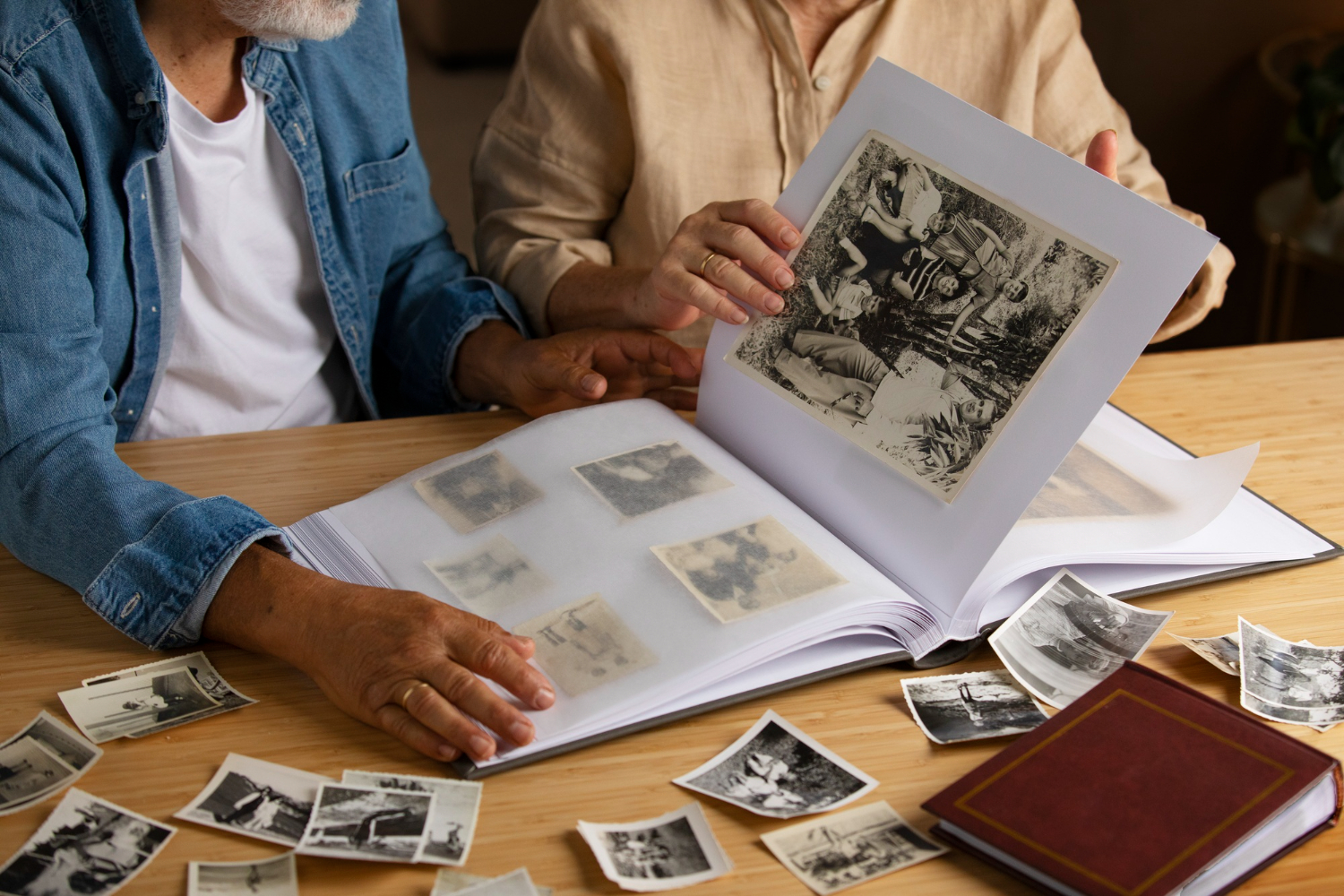
Family photo albums are more than just collections of snapshots—they are treasures of Chicano family history in California. They often include moments of celebration, migration, and everyday life that are otherwise absent from mainstream historical narratives. Photo albums highlight weddings, community gatherings, school achievements, and even quiet moments at home. These images provide a window into how Chicano families have lived, loved, and worked throughout generations. By preserving and sharing these archives, families reclaim their stories and ensure their heritage is not erased.
Oral Histories and Chicano Traditions
Latino oral history traditions go hand in hand with family archives. For centuries, storytelling has been a vital aspect of passing down customs, beliefs, and life lessons. Elders in Chicano families share stories that piece together struggles and triumphs, including tales of migration, activism, and cultural resilience. These oral histories enrich photo archives, providing the context and emotion behind every image. Listening to abuelitas and abuelitos (grandmothers and grandfathers) tell their stories is not only compelling but also empowering for younger generations eager to understand their roots.
Reviving Community Memory in the Inland Empire
Inland Empire, home to vibrant Chicano communities, holds countless untold stories. Here, families are rediscovering their cultural pride by building community archives. Universities, cultural organizations, and local leaders have partnered with families to showcase these personal histories through exhibits, workshops, and shared digital collections. By spotlighting these narratives, communities strengthen their shared identity while inspiring others to explore their own family legacies.
Youth Empowerment Through Storytelling
Young Chicanos in California are stepping up to preserve their heritage. With a renewed interest in intergenerational storytelling, youth are documenting the memories of their elders, scanning photos, recording interviews, and even creating digital archives. Their efforts bridge generational gaps and foster connections across age groups. Through these projects, young leaders ensure that their family histories are accessible and celebrated, making it easier for future generations to stay connected to their roots.
Intergenerational Bonds and Cultural Pride
Intergenerational storytelling brings families together. Sitting down with parents, grandparents, and great-grandparents to sift through old photo albums creates moments of bonding and reflection. These conversations encourage younger generations to take pride in their identity and understand the sacrifices their ancestors made. By engaging in these shared experiences, Chicano families celebrate the traditions that define their culture while creating stronger ties between generations.
Keep Our Culture Alive
Chicano culture thrives when we share, explore, and celebrate it together. Whether through art, language, history, or everyday experiences, we each play a part in preserving our heritage. Join the movement—learn about our stories, uplift our voices, and pass on the traditions that shape who we are. Together, let’s keep Chicano identity strong for future generations.