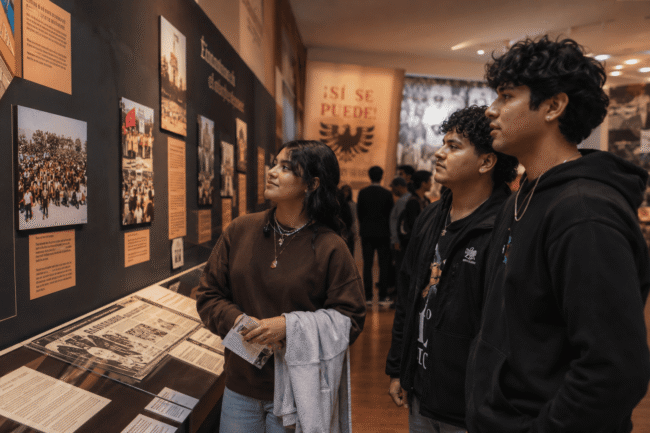
Students viewing cultural representation in a museum exhibit

Why Cultural Representation in Museums Matters for Future Generations

Cultural representation in museums matters because museums help define whose stories are seen, remembered, and valued. When young people visit spaces that include Chicano history, Latino cultural exhibits, and community-centered narratives, they gain a stronger sense that their heritage belongs in the public record. That recognition can shape pride, curiosity, and a deeper connection to…

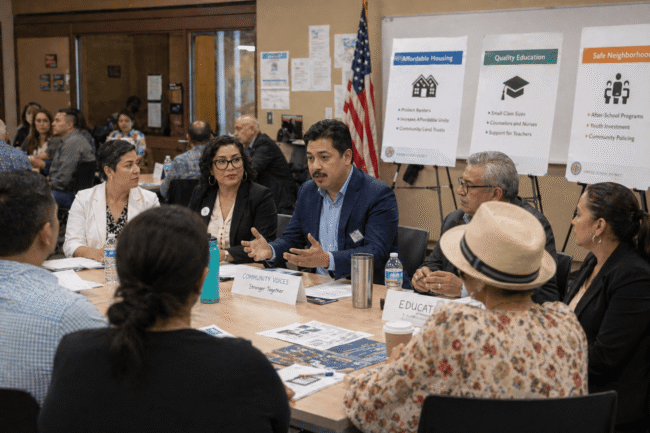
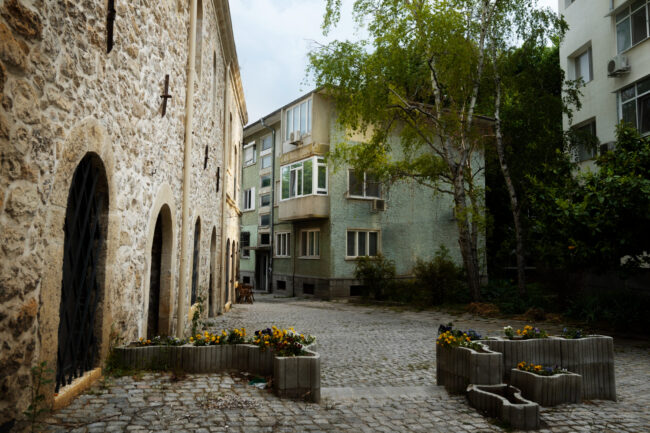
Chicano public policy leadership shaping California community decisions

Chicano Influence on California’s Public Policy and Local Leadership

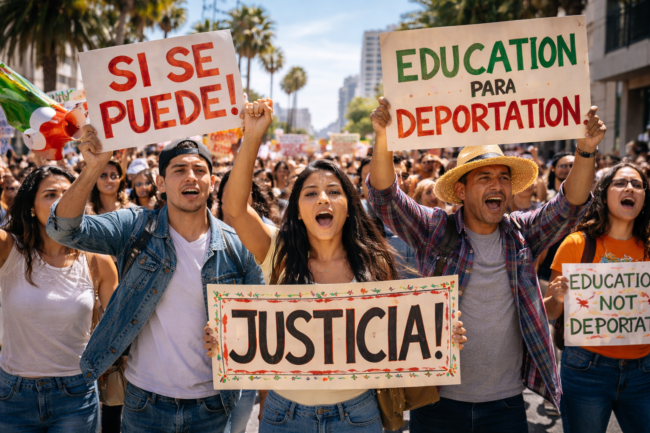
Chicano public policy influence can be seen across California in the way local leaders, educators, organizers, and public servants shape decisions that affect everyday life. From school systems to housing discussions, Chicano voices continue to help define what representation, equity, and community accountability look like in practice. This influence is not limited to one office…

The Role of Chicano Theater in Preserving Cultural Identity

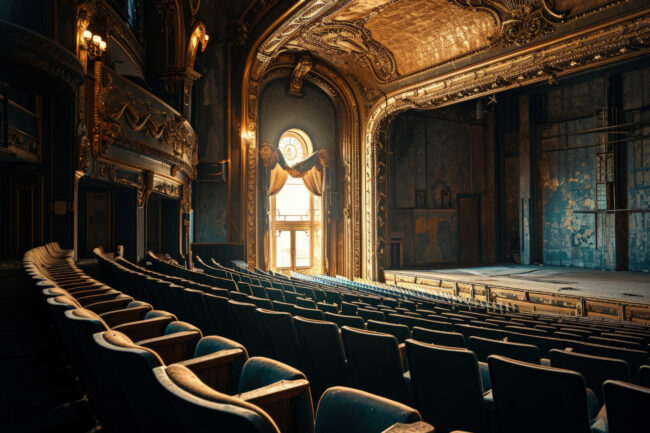
Chicano theater has long been a vital cultural force, playing an instrumental role in shaping and preserving the identity of Chicano communities, especially in California. Through storytelling, performance, and activism, it serves as a mirror reflecting the struggles, aspirations, and triumphs of a historically marginalized people. From its roots in grassroots movements to its evolution…

Black-and-white photo of Pachuco illustrates blog "What Were the Zoot Suit Riots?"

What Were the Zoot Suit Riots?

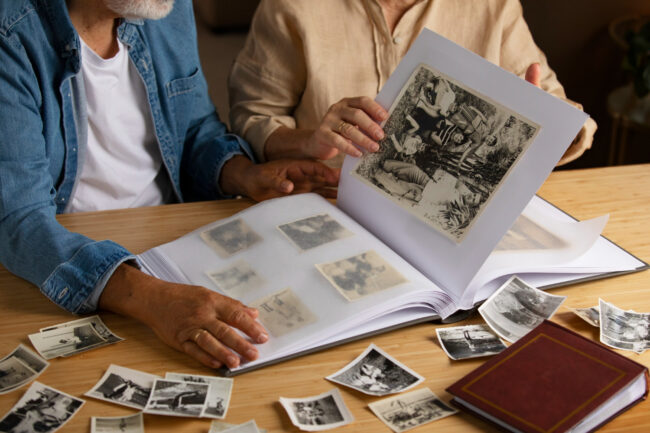
The Zoot Suit Riots, a series of violent clashes during the early 1940s in Los Angeles, California, represent a pivotal moment in American history, particularly within Chicano culture. These events not only highlight racial tensions in the United States but also signify a critical point of cultural and political awakening for the Mexican American community.…