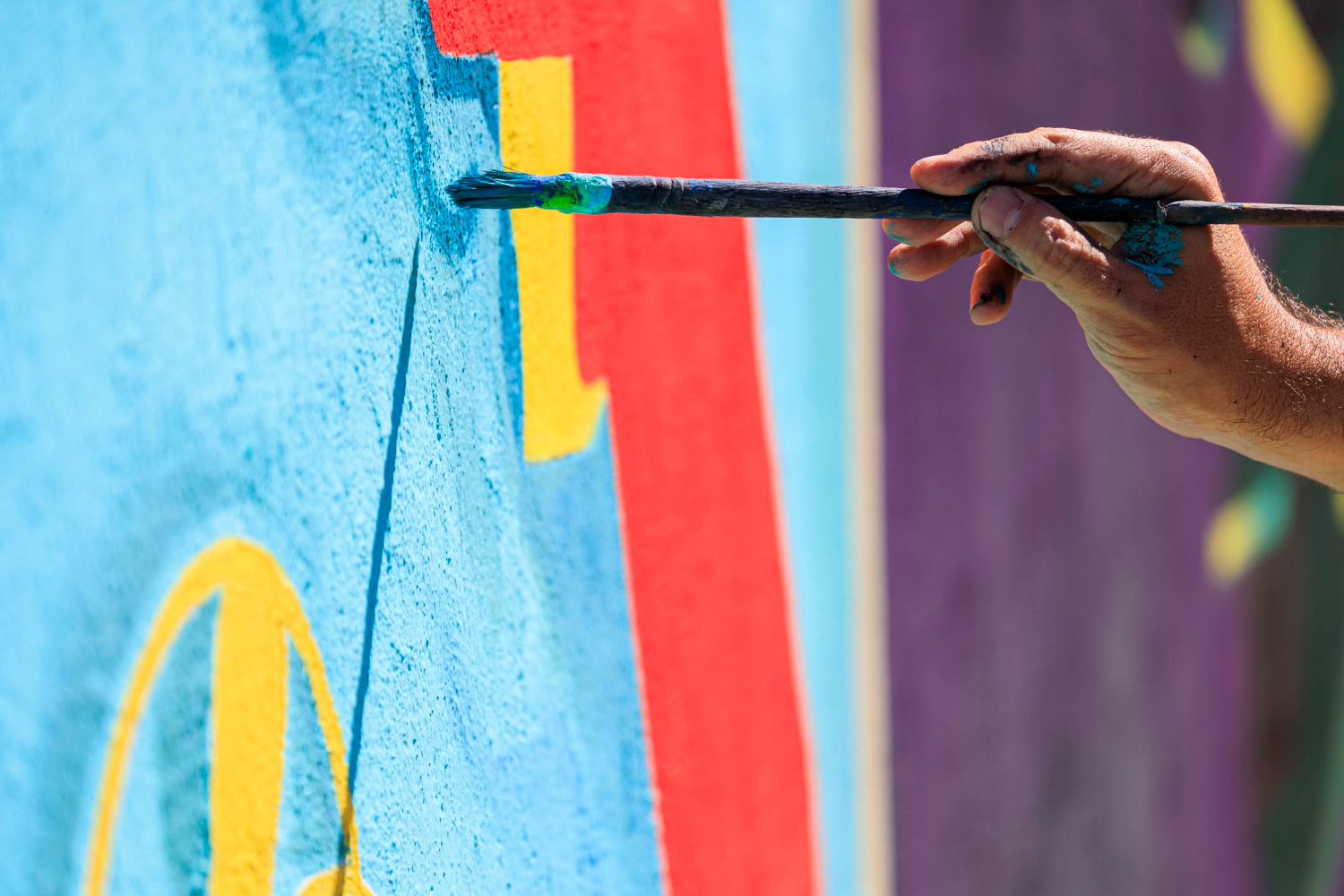
Visual activism has emerged as a powerful force within the modern era of social justice, particularly in the Chicano community. Rooted in rich cultural traditions, Chicano graphic designers use visual art to address inequality, celebrate identity, and inspire collective action. From vibrant posters to impactful digital campaigns, these artists are bridging the gap between cultural heritage and contemporary movements in California and beyond.
The Role of Art in Chicano Social Movements
Art has long played a critical role in Chicano activism, serving as both a mirror and a megaphone for the community. During the Chicano Movement of the 1960s, visual art was central to mobilizing support for causes like labor rights, education reform, and cultural preservation. Today, graphic designers draw from this legacy, creating modern works that honor their roots while addressing today’s most pressing issues.
Resurrecting Tradition Through Visual Storytelling
Chicano graphic design is deeply tied to visual storytelling, a tradition embedded in murals, lowrider art, and screen-printed posters of the past. Contemporary designers like Javier Barboza, based in the Inland Empire, combine these influences with digital mediums to craft narratives that resonate both locally and globally. Whether it’s calling for immigration reform or advocating for climate justice, these designs merge bold imagery and evocative messages, empowering communities to envision a better future.
Posters as Tools for Empowerment
Posters have long been a staple of activism, and Chicano graphic designers continue to use them as tools of power and persuasion. Artists such as Melanie Cervantes of Dignidad Rebelde create pieces that feature symbolic imagery and striking typography. These works not only capture attention but also spark dialogue. For instance, posters celebrating Día de los Muertos serve a dual purpose—preserving cherished traditions and fostering unity in the face of cultural erasure.
From Print to Pixels: The Digital Revolution
As technology evolves, so does visual activism. Digital campaigns allow Chicano artists to reach vast audiences with messages of resistance and solidarity. Social media platforms amplify their work, enabling instant connections with people across California and the wider world. Designers like Ernesto Yerena Montejano bring issues such as systemic racism to light through compelling graphics that circulate rapidly online. This digital presence keeps the movement at the forefront of public consciousness.
Cultural Heritage Meets Modern Activism
What sets Chicano graphic design apart is its deep connection to cultural heritage. Symbolism rooted in Aztec and Mexican traditions often appears in modern designs, reminding viewers of the strength and resilience that comes from ancestral roots. By incorporating traditional motifs into contemporary visuals, Chicano artists weave their history into the fabric of modern advocacy.
Amplifying Voices Through Identity
Identity is a central theme in Chicano visual activism. Designers often highlight the struggles and triumphs of their community, shedding light on untold stories. Art becomes a platform to celebrate Latino identity while confronting the marginalization deeply embedded in California’s history. This dual purpose ensures that Chicano voices remain heard amid the noise of broader social movements.
The Future of Chicano Visual Activism
The rise of Latino visual activism in California signals a promising future for art as a tool for change. With more Chicano youth pursuing careers in design and activism, the movement is flourishing. Collectives and organizations are emerging across the state, providing platforms for collaboration and mentorship. These spaces nurture young talent and ensure that Chicano culture is not only preserved but evolves in new, exciting directions.
Keep Our Culture Alive
Chicano culture thrives when we share, explore, and celebrate it together. Whether through art, language, history, or everyday experiences, we each play a part in preserving our heritage. Join the movement—learn about our stories, uplift our voices, and pass on the traditions that shape who we are. Together, let’s keep Chicano identity strong for future generations.