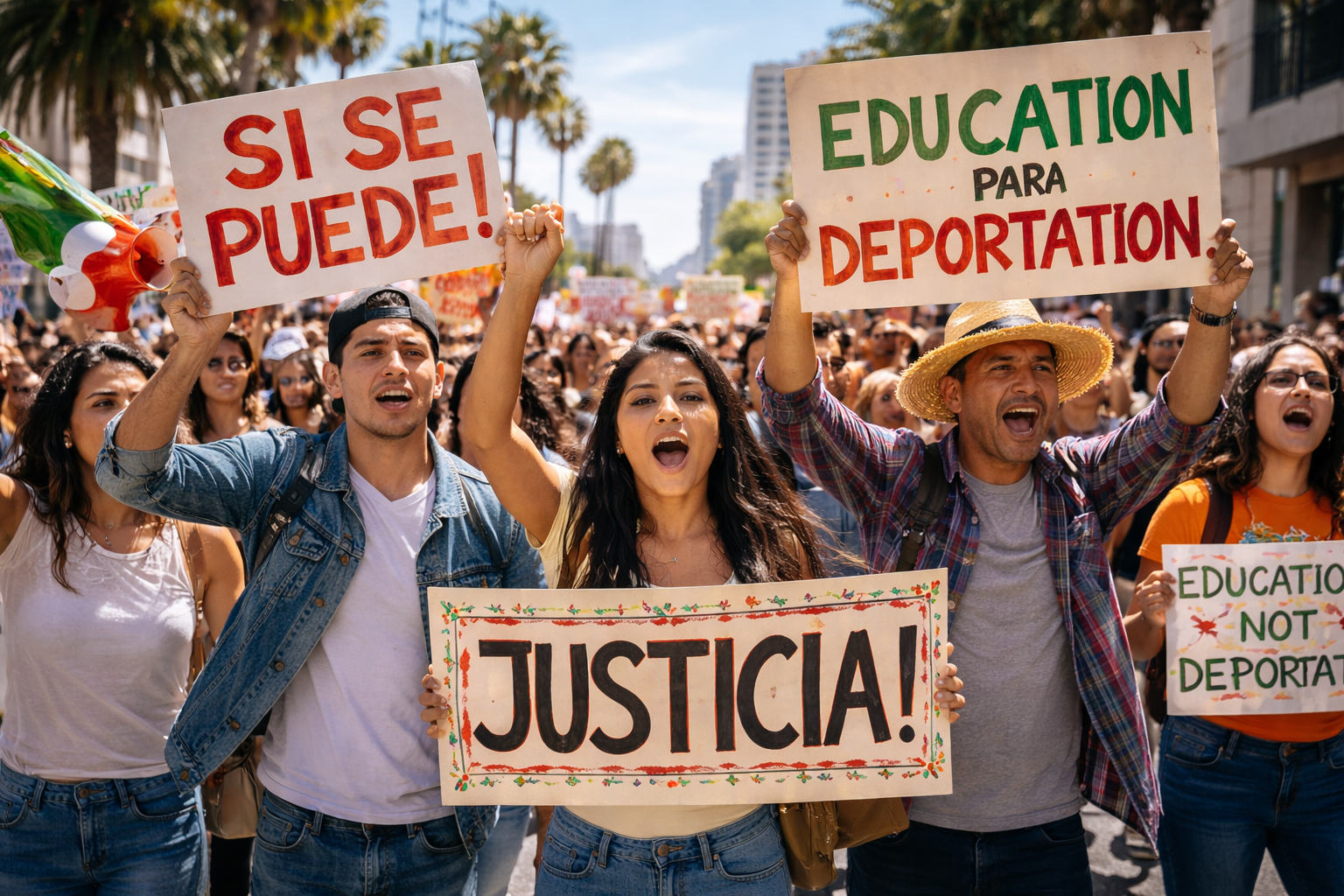
The Chicano experience has long been intertwined with a fight for social justice and equity. For generations, Chicano grassroots movements have served as catalysts for change, addressing systemic injustices and creating opportunities for empowerment. These movements, deeply rooted in cultural pride and resilience, showcase how marginalized communities can ignite social and civic transformation. This article explores the history, strategies, and long-term impact of Chicano-led advocacy while underlining the role of protest in advancing policy reforms.
Historical Roots of Chicano-Led Grassroots Activism
Chicano grassroots movements originate from a legacy of struggle against oppression and inequality. The Chicano Movement of the 1960s and 1970s marked a pivotal chapter in history, symbolizing a strong push for civil rights, land reforms, educational equity, and labor protections. Iconic leaders like César Chávez and Dolores Huerta mobilized farmworkers in California, organizing strikes and boycotts that demanded fair pay and better working conditions. At the same time, figures like Rodolfo “Corky” Gonzales inspired cultural empowerment through poetry and political action. These efforts laid a foundation for grassroots organizers to unite communities and call for systemic change.
The Role of Youth and Student Movements
Youth and students have consistently spearheaded Chicano advocacy, infusing movements with energy, innovation, and an uncompromising vision for justice. The East Los Angeles high school walkouts of 1968, also known as the Chicano Blowouts, exemplify the power of young leadership. Thousands of students protested discriminatory educational practices, demanding culturally relevant curricula, better resources, and institutional accountability. This bold action not only amplified the voices of young people but also demonstrated how grassroots efforts could challenge entrenched systems.
Today, young leaders continue to push boundaries, using social media and digital platforms to amplify awareness about issues like immigration reform, racial justice, and educational equity. By merging traditional organizing methods with modern tools, they keep the spirit of Chicano activism alive while adapting to the challenges of a new era.
Community Organizing Strategies That Build Power
Chicano grassroots organizers recognize that lasting change begins at the community level. Their strategies center around building collective power through relationship-building, education, and mobilization. Pláticas (community conversations), door-to-door outreach, and cultural events serve as spaces to engage, inform, and inspire action. These methods prioritize inclusivity, ensuring that all voices—especially those of historically underrepresented individuals—are heard.
Additionally, art has played a vital role in uniting communities and spreading messages of resistance and resilience. Murals, music, and theater reflect lived experiences while envisioning a more just future. By blending creativity with activism, Chicano organizers forge stronger connections within their communities, fostering solidarity across generations.
Transition from Protest to Policy Reform
While protest ignites action, policy reform cements progress. One of the most significant achievements of Chicano grassroots movements is their ability to transition from public demonstration to concrete change. Take, for example, the campaign for bilingual education in California classrooms. Activists fought tirelessly to ensure that Spanish-speaking students received adequate support, resulting in the Bilingual Education Act of 1968. Similarly, the United Farm Workers (UFW) union successfully pushed for legislation protecting agricultural workers’ rights, improving both livelihoods and working conditions.
This transition from fiery street protests to boardroom negotiations showcases how grassroots power can reshape societal structures. It underscores the importance of persistence and adaptability, as movements must continuously pivot their strategies to address new obstacles and seize opportunities for reform.
Long-Term Social and Civic Impact in California
The influence of Chicano-led movements extends far beyond the moments of protest. Their impact reverberates through California’s social and political landscape, shaping policy, cultural narratives, and civic engagement. Initiatives like voter registration drives, ethnic studies programs, and community health campaigns highlight the enduring spirit of Chicano activism. These efforts not only secure tangible benefits but also inspire future generations to carry the torch of justice.
Furthermore, the emphasis on cultural empowerment remains a pillar of Chicano organizing. By celebrating heritage and amplifying collective identity, these movements ensure that Chicano voices remain central to broader discussions about equity and representation in California and beyond.
Keep Our Culture Alive
Chicano culture thrives when we share, explore, and celebrate it together. Whether through art, language, history, or everyday experiences, we each play a part in preserving our heritage. Join the movement learn about our stories, uplift our voices, and pass on the traditions that shape who we are. Together, let’s keep Chicano identity strong for future generations.