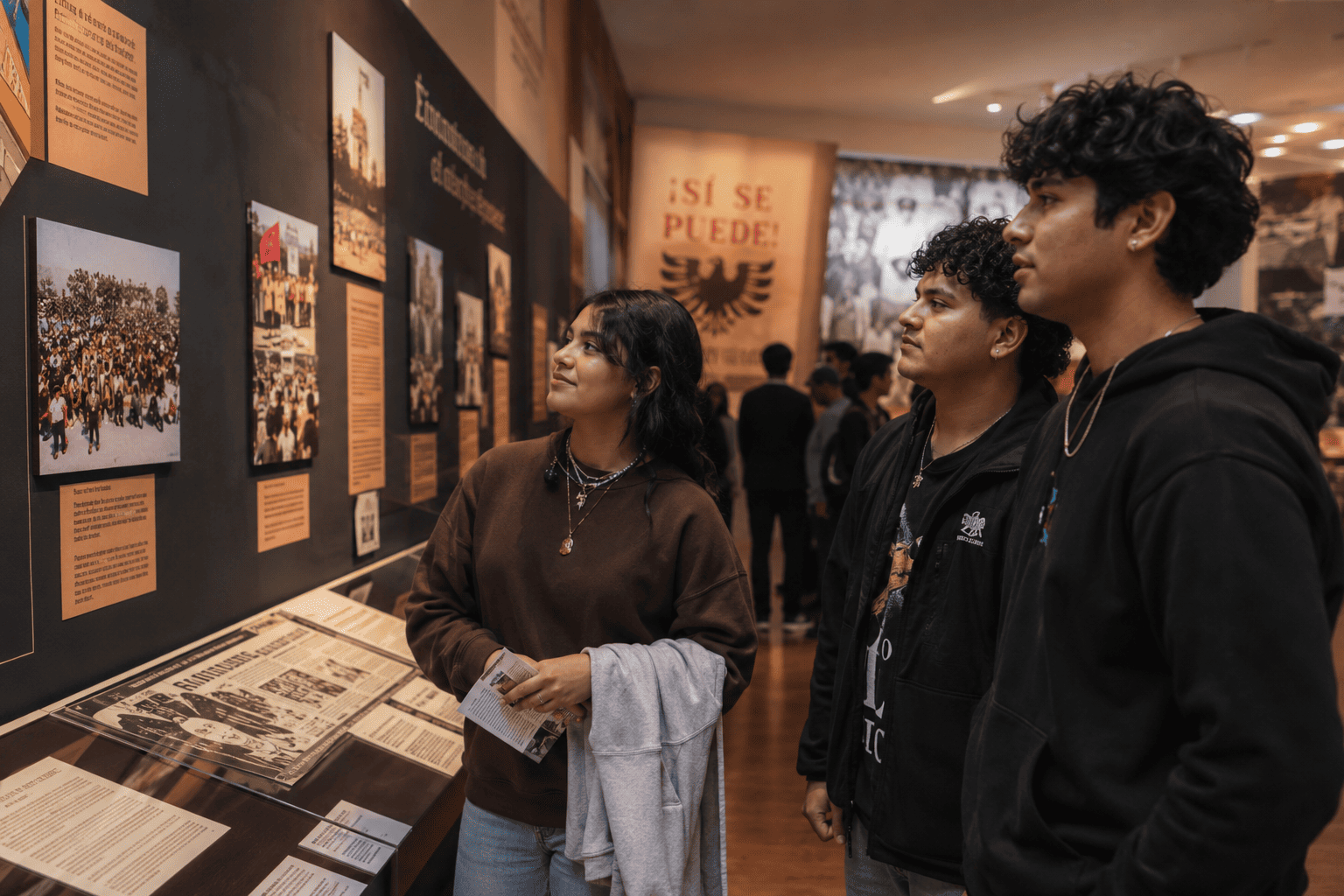
Cultural representation in museums matters because museums help define whose stories are seen, remembered, and valued. When young people visit spaces that include Chicano history, Latino cultural exhibits, and community-centered narratives, they gain a stronger sense that their heritage belongs in the public record. That recognition can shape pride, curiosity, and a deeper connection to identity.
Museums do more than display objects. They frame history, highlight voices, and influence how future generations understand culture. If representation is limited, communities can be left with an incomplete picture of the past and of their place within it.
How Representation Supports Community Identity
Visibility builds pride
When children and young adults see their histories reflected in exhibits, it reinforces the idea that their families and communities matter. That visibility can strengthen cultural confidence and encourage deeper engagement with heritage.
Context creates understanding
Thoughtful exhibits help visitors connect personal experience with broader historical movements, artistic traditions, and community contributions. That context is especially valuable for people who are still learning how identity and history intersect.
Public memory becomes more complete
Representation also benefits the wider public. Museums that include a fuller range of cultural perspectives offer a more accurate and meaningful understanding of California’s social and historical landscape.
Why Local Cultural Spaces Matter
Museums, cultural centers, and neighborhood exhibits can all contribute to preserving Chicano history. Local spaces often carry a special kind of relevance because they reflect the communities around them. They can showcase regional stories, oral histories, artwork, and everyday experiences that make heritage feel immediate rather than distant.
For young Californians, that local connection can make cultural learning more personal. It turns history into something they can recognize in their families, neighborhoods, and schools.
Preserving Heritage Through Public Storytelling
Future generations benefit when cultural institutions treat representation as a responsibility rather than an afterthought. Inclusive exhibits create room for learning, pride, and deeper civic understanding.
When Chicano museums in California and Latino cultural exhibits make space for community stories, they help preserve more than history. They help sustain identity and belonging for the people who will carry that heritage forward.
Keep Our Culture Alive
Chicano culture thrives when we share, explore, and celebrate it together. Whether through art, language, history, or everyday experiences, we each play a part in preserving our heritage. Join the movement—learn about our stories, uplift our voices, and pass on the traditions that shape who we are. Together, let’s keep Chicano identity strong for future generations.